
Savor Homemade Japanese Katsu Bowls for Cozy Nights
Last Updated on May 8, 2026 by beatrizrecipez
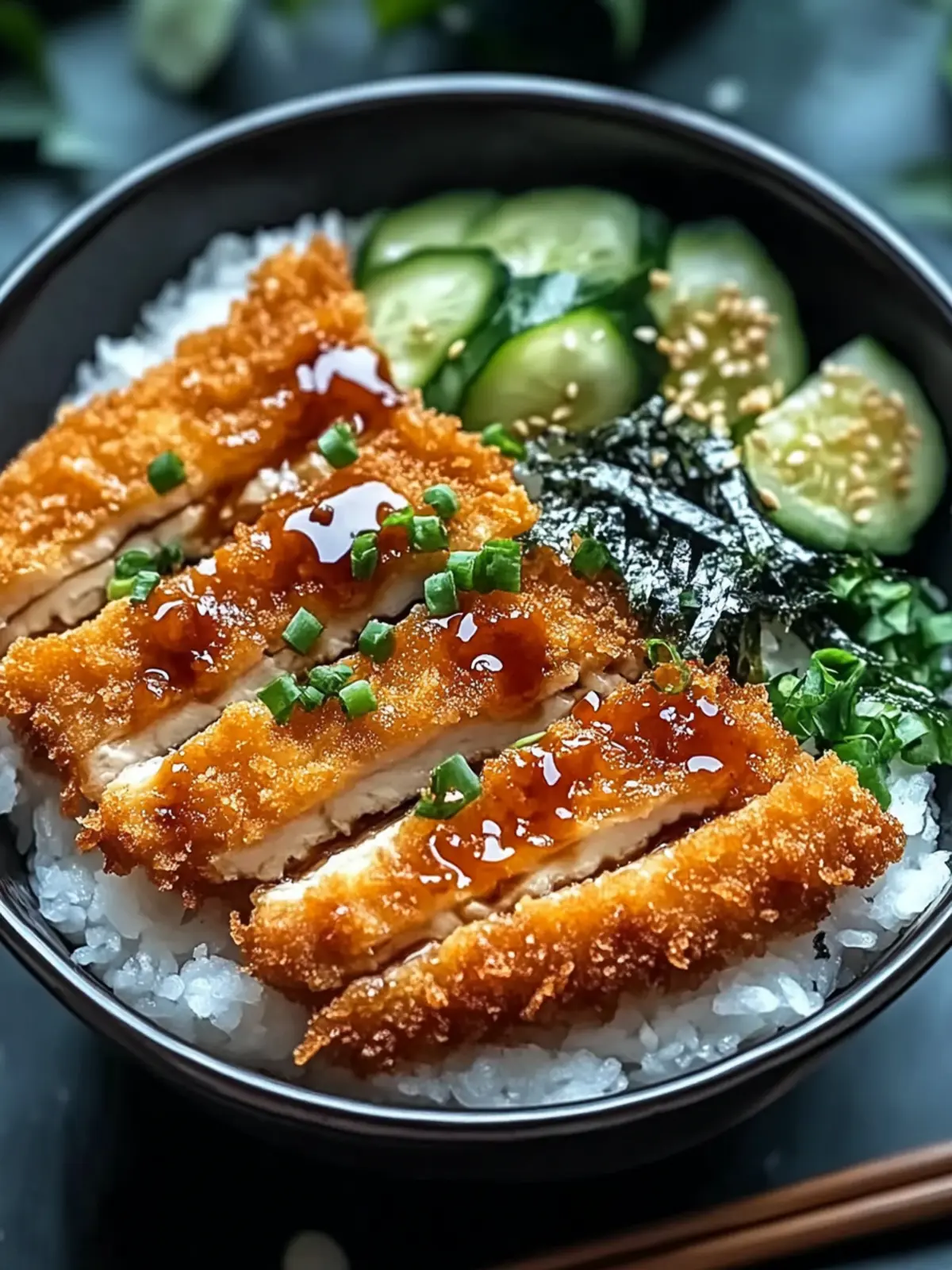
There s something truly special about the satisfying crunch of a golden-brown breaded cutlet fresh from the fryer, and that s exactly what makes Japanese Katsu Bowls a go-to comfort food. Picture this: a tender chicken or pork cutlet, perfectly fried to crispy perfection, nestled atop a bed of fluffy Japanese short-grain rice. As I drizzle a tangy tonkatsu sauce over the top, the flavors come together in a way that feels like a warm hug on a plate.
On nights when I crave a comforting meal but need to whip something up quickly, these Katsu Bowls never disappoint. They re not just about taste; they offer endless customization! Whether you prefer swapping the protein for eggplant or trying a drizzle of spicy mayo, this dish is all about making it your own. Join me in the kitchen as we create a delightful meal that turns your weeknight dinners into unforgettable experiences.
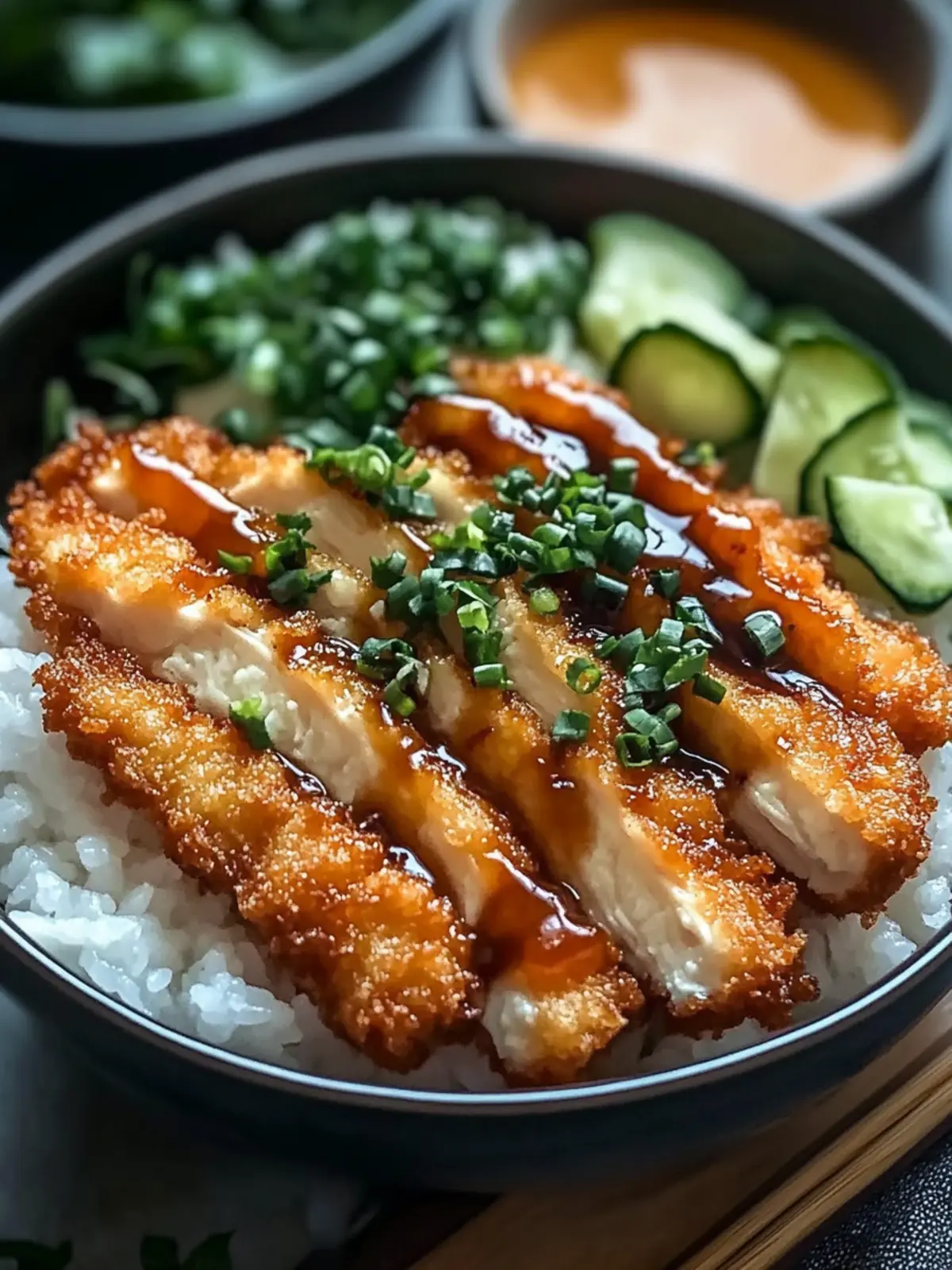
Why Love Japanese Katsu Bowls?
Comforting Pleasure: There’s nothing like the mouthwatering crunch of these homemade Katsu Bowls to satisfy your cravings!
Quick & Easy: Ready in mere minutes, perfect for busy weeknights!
Customizable: Switch up proteins or toppings to suit your taste preferences, as I did with flavorful vegetarian options.
Savory Sauce: The tangy tonkatsu sauce elevates each bite, making it utterly irresistible.
Crowd-Pleasing: Ideal for family dinners or weeknight gatherings, these bowls will impress everyone at your table!
Japanese Katsu Bowls Ingredients
For the Katsu
Chicken Breasts or Pork Loin Main protein source; substitute with tofu or eggplant for a vegetarian option.
Salt and Pepper Enhances the flavor of the protein; use fresh ground for better taste.
All-Purpose Flour Provides the initial coating; opt for gluten-free flour for a gluten-free version.
Eggs Binds the breadcrumbs to the chicken; consider a flax or chia egg for a vegan alternative.
Panko Breadcrumbs Creates a light, crispy texture; regular breadcrumbs can substitute if needed.
Vegetable Oil Used for frying the katsu; can be swapped with canola or peanut oil for different flavors.
For the Rice
Japanese Short-Grain Rice Base for the bowl; its sticky and fluffy texture is essential; Calrose or sushi rice can substitute.
Water Needed to cook the rice; adjust the amount based on the rice type.
Rice Vinegar, Sugar, Salt Seasoning for the rice to add tanginess and flavor; substitute white vinegar if rice vinegar is unavailable.
For the Sauce
Tonkatsu Sauce, Soy Sauce, Worcestershire Sauce, Ketchup These ingredients create the savory katsu sauce; use teriyaki sauce as an alternative if desired.
For Toppings
Shredded Cabbage, Green Onions, Sesame Seeds, Pickled Ginger Add freshness and flavor complexity; customize with other veggies like carrots or radishes for added crunch.
Embrace the deliciousness of Japanese Katsu Bowls with these ingredients, and get ready to create a comforting meal that your family will adore!
How to Make Japanese Katsu Bowls
Prepare Rice: Rinse the Japanese short-grain rice under cold water until the water runs clear. Soak for 30 minutes, then bring to a boil. Lower the heat, cover, and simmer for 15 minutes. Let it sit for an additional 10 minutes to fluff up nicely.
Season Rice: In a small bowl, combine rice vinegar, sugar, and salt. Gently fold this mixture into the cooked rice without mashing it. This step gives the rice a delicious tangy flavor.
Prepare Katsu: Pound the chosen chicken or pork cutlets to a uniform thickness of about ½ inch. Season them generously with salt and pepper to enhance the natural flavors.
Breading Station: Set up three plates: one with all-purpose flour, another with beaten eggs, and the last with panko breadcrumbs. Dredge each cutlet in flour, dip it in the egg, and then coat it with a generous layer of breadcrumbs.
Fry Katsu: Heat vegetable oil in a skillet over medium heat. Carefully add the breaded cutlets, cooking them for 4-5 minutes on each side until golden brown and the internal temperature reaches 165°F. Transfer to a paper towel-lined plate to drain, then slice.
Make Sauce: In a bowl, mix tonkatsu sauce, soy sauce, Worcestershire sauce, and ketchup until well blended. This concoction brings delightful flavor to your Katsu Bowls!
Optional: Top with shredded cabbage, green onions, or sesame seeds for an added crunch and freshness.
Exact quantities are listed in the recipe card below.
How to Store and Freeze Japanese Katsu Bowls
Fridge: Store leftover Katsu Bowls in an airtight container for up to 3 days. Reheat in the oven to maintain crispiness, ideally at 350°F for about 10-15 minutes.
Freezer: For long-term storage, freeze the cooked cutlets separately from the rice and sauce in airtight containers. They will keep well for up to 3 months.
Reheating: When you re ready to enjoy your frozen Katsu, allow the cutlets to thaw in the fridge overnight. Reheat in the oven or air fryer to restore their crunch.
Rice Storage: Keep any leftover seasoned rice in the fridge for up to 3 days. For freezing, portion and wrap tightly reheat by steaming or microwaving with a splash of water to revive its texture.
Expert Tips for Japanese Katsu Bowls
Perfectly Cooked Katsu: Use a meat thermometer to check for an internal temperature of 165°F; this ensures juicy and safe-to-eat cutlets.
Patience is Key: Fry in batches and avoid overcrowding the pan to maintain the oil’s temperature. This will give you that satisfying, crispy texture!
Rest Before Slicing: Allow your cooked katsu to rest for a few minutes before slicing. This step keeps the juices intact for every delicious bite.
Rinse Your Rice: Don t skip rinsing the rice; it removes excess starch, helping you achieve that fluffy and perfect sticky texture for your Japanese Katsu Bowls.
Customize Your Sauce: Feel free to experiment with the sauce ingredients! A touch of chili paste can add a delightful kick to your tonkatsu sauce.
Make Ahead Options
These delicious Japanese Katsu Bowls are perfect for meal prep enthusiasts! You can prepare the katsu cutlets up to 24 hours in advance, storing them in an airtight container in the refrigerator, ensuring they stay just as crispy when you fry them. Additionally, the seasoned rice can be cooked in advance and refrigerated for up to 3 days; simply reheat it on the stovetop with a splash of water, covering to steam and refresh the texture. When you re ready to serve, fry the prepped katsu cutlets until golden brown and drizzle with that savory tonkatsu sauce. This approach not only saves you time but also keeps your weeknight dinners stress-free and delicious!
What to Serve with Japanese Katsu Bowls?
Creating a satisfying meal is a delightful experience, especially when you have the crispy wonders of Katsu Bowls to work with!
- Creamy Coleslaw: This crunchy, tangy side perfectly balances the rich flavors of the katsu, adding a refreshing element to your plate.
- Pickled Vegetables: Choose a mix of vibrant, pickled veggies for a bite that enhances the savory profile and cuts through the dish s richness.
- Steamed Vegetables: Broccoli or snap peas add a lovely crunch and color, along with vitamins and nutrients, making your meal even more wholesome.
- Miso Soup: A warm bowl of miso soup complements the Katsu Bowls beautifully, offering a comforting umami flavor that ties the meal together.
- Edamame with Sea Salt: This protein-packed snack brings an earthiness that contrasts well with the crispy textures and savory sauce.
- Chilled Soba Noodles: For a refreshing alternative, serve chilled soba noodles tossed in soy sauce for a satisfying side that maintains the Japanese theme.
- Taiwanese Popcorn Chicken: If you want even more crunch, try a side of this spiced chicken; its crispy texture and bold flavors are sure to impress!
- Fresh Green Salad: Lighten the meal with a salad dressed in a citrus vinaigrette a bright and zesty counterpoint to the hearty Katsu.
- Fruit Sorbet: For dessert, a scoop of fruity sorbet can cleanse the palate and leave everyone with a refreshing end to the meal.
Variations & Substitutions for Japanese Katsu Bowls
Customize your Katsu Bowls to match your taste and ingredient availability, creating a unique experience every time!
- Pork Swap: Use tender pork loin instead of chicken for a rich flavor twist.
- Vegetarian Delight: Substitute tofu or eggplant for a delicious meatless option that still packs a satisfying crunch.
- Gluten-Free: Use a gluten-free flour blend and gluten-free panko breadcrumbs to make this dish suitable for those with gluten sensitivities.
- Spicy Kick: Drizzle some sriracha or mix in chili oil with your tonkatsu sauce to add a spicy element that ignites the senses.
- Flavorful Sauces: Experiment with spicy mayo or ponzu sauce as alternatives to tonkatsu for a fresh twist on the classic taste.
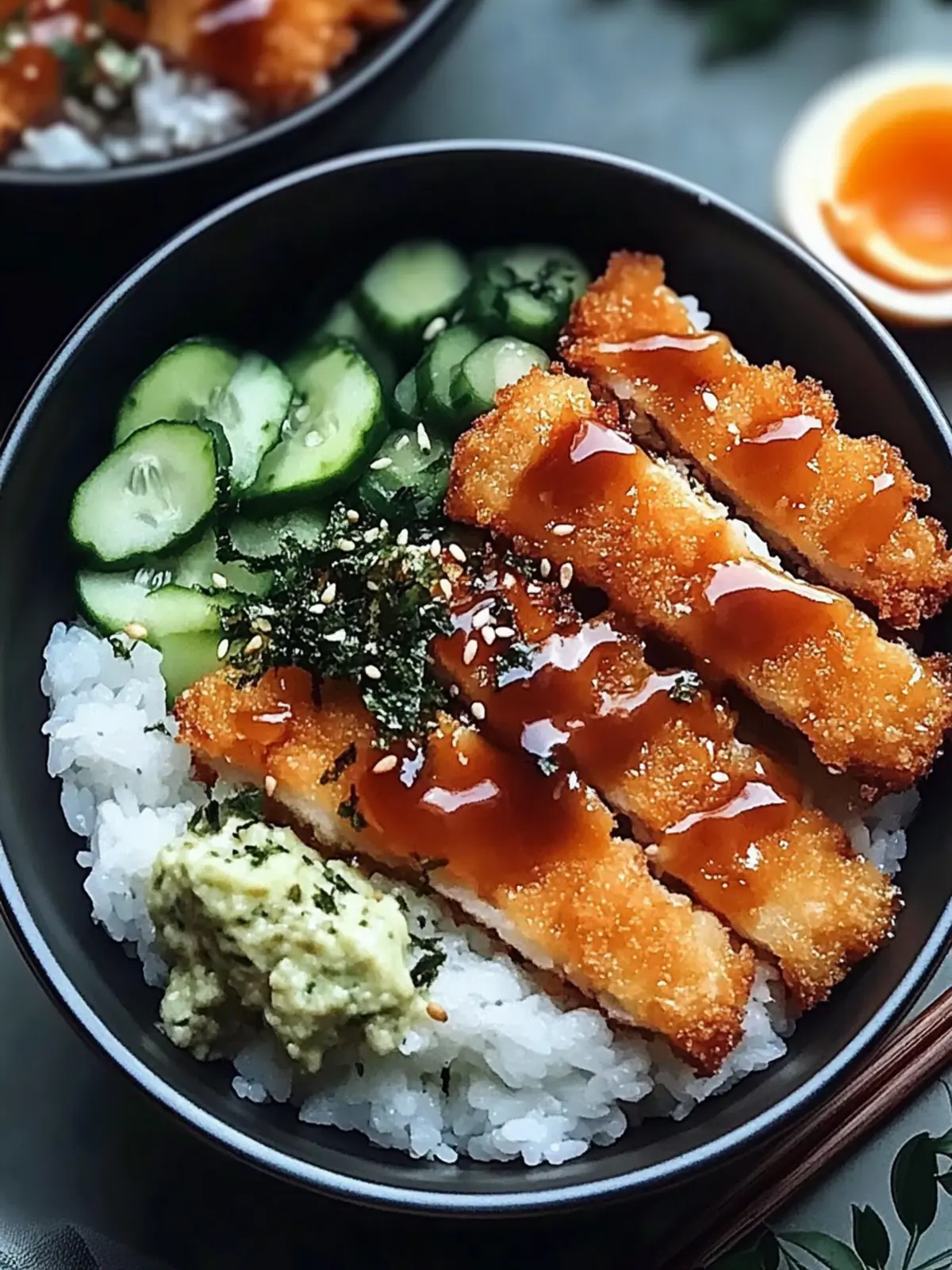
- Topping Variety: Add soft-boiled eggs, diced avocados, or sliced radishes to enhance both nutrition and flavor, giving your bowls a delightful visual appeal.
- More Veggies: Mix in colorful vegetables like carrots and cucumbers for a refreshing crunch that complements the richness of the katsu.
- Coconut Rice: Replace the traditional short-grain rice with coconut rice for a subtly sweet flavor and creamy texture that transports you straight to a tropical paradise.
Japanese Katsu Bowls Recipe FAQs
How do I choose the best chicken or pork for Katsu?
Absolutely! When selecting meat for your Katsu, look for boneless, skinless chicken breasts or pork loin that has a nice, even thickness. They should feel firm and have a pinkish color without any dark spots. If you’re opting for a vegetarian version, choose firm tofu or eggplant for the best texture when battered and fried.
How should I store leftover Katsu Bowls?
Very! Store your leftover Katsu in an airtight container in the refrigerator for up to 3 days. When reheating, place in the oven at 350°F for about 10-15 minutes to keep the cutlets crispy. The rice will keep well in the fridge too, so you can enjoy this delicious meal again!
Can I freeze Katsu Bowls? What s the process?
Definitely! To freeze, it s best to separate the cooked cutlets from the rice and sauce. Wrap the cutlets in plastic wrap, then place them in an airtight container or freezer bag; they’ll stay fresh for up to 3 months. For the rice, portion it out, tightly wrap, and freeze. When you’re ready to enjoy, thaw the cutlets overnight in the fridge and reheat them in the oven or air fryer for that crunch!
What if my Katsu isn t crispy enough?
No worries! If your Katsu doesn t come out crispy as you hoped, it could be due to overcrowding the pan while frying. Always give the cutlets enough space in the skillet to ensure they fry evenly. Additionally, ensure the oil is hot enough (about 350°F) before adding the meat; a splash of water should sizzle when it hits the oil. Patience is key allow each side to cook for 4-5 minutes for that perfect golden crust.
Are there any dietary considerations for Katsu Bowls?
Of course! If you’re concerned about allergies, ensure to label any sauces you use, as tonkatsu and soy sauce can contain gluten and soy. For a gluten-free version, use gluten-free flour and panko breadcrumbs. If you’re making this for pets, it’s best to steer clear of sharing since the fried portions and seasoning may not be safe for them. Always consider vegetarian alternatives like tofu or eggplant for a delightful spin!