
Delightful Middle Eastern Milk Pudding with 4 Simple Ingredients
Last Updated on May 8, 2026 by beatrizrecipez
When the warm days of summer glide into view, I can t help but crave something cool and soothing to end my meals. That’s when I turn to the creamy wonder of Middle Eastern milk pudding, known as Mahalabia. This delightful dessert came into my life during a gathering, where the aromatic blend of rose water and cardamom wafted through the air, enveloping my senses with bliss.
What s even better? You only need four simple ingredients and just 15 minutes to whip it up! Whether you prefer a silky smooth texture from cornstarch or the slightly grainy charm of rice flour, this pudding is a versatile treat that can be made ahead of time and served chilled, making it perfect for unexpected guests or quiet evenings at home.
Join me on this journey to bring a taste of the Middle East into your kitchen with this effortlessly elegant dessert!
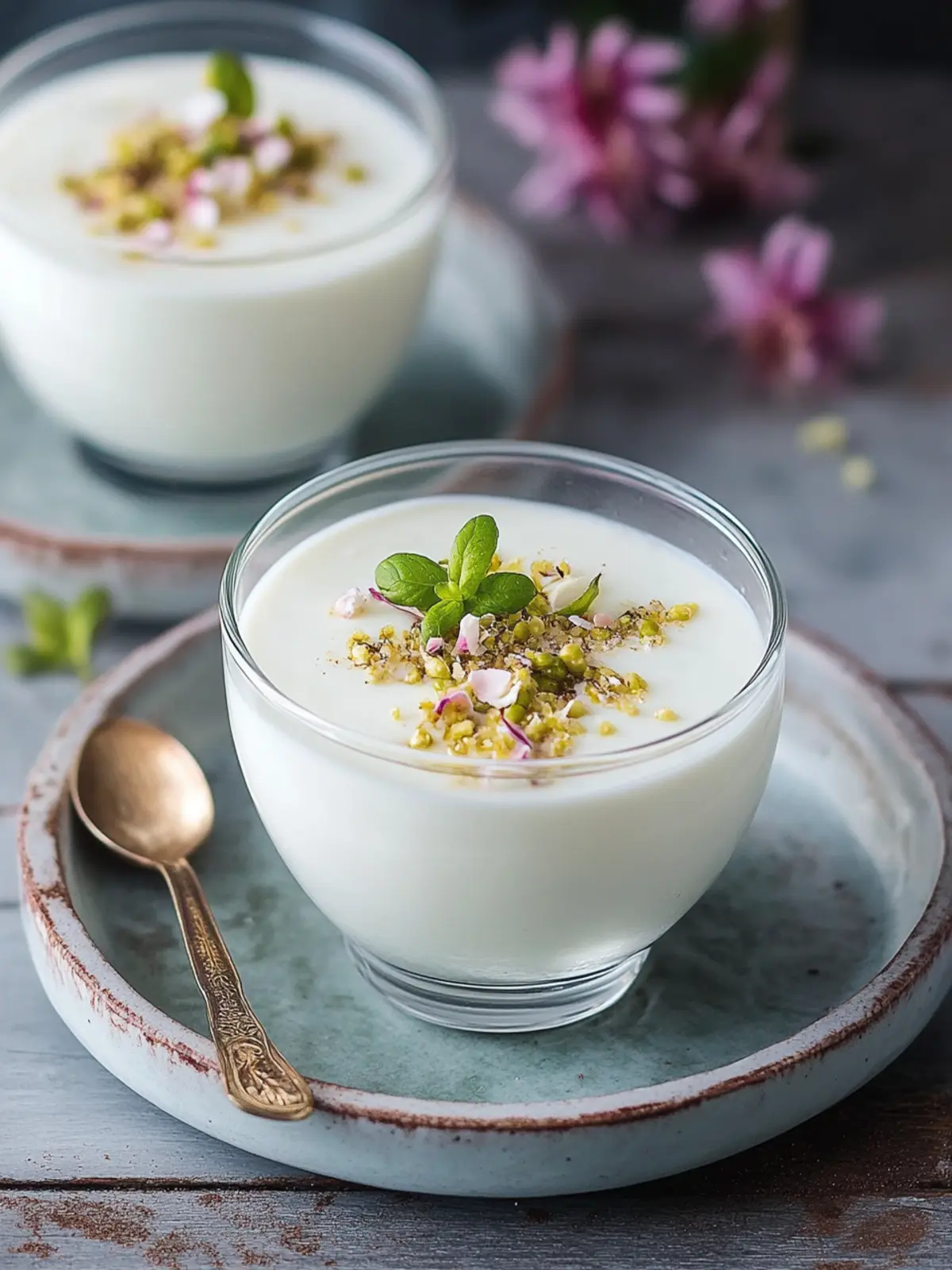
Why is Middle Eastern Milk Pudding so special?
Simplicity at Its Finest: With just four ingredients, you’ll whip up a creamy delight that feels indulgent without the fuss.
Versatile Options: Choose between a velvety texture with cornstarch or a bit of bite with rice flour your dessert, your way.
Quick to Prepare: In only 15 minutes, you can have this chilled treat ready to impress your family and friends.
Make-Ahead Marvel: Perfect for busy days, this pudding can be prepared ahead of time, allowing you to relax and enjoy sweet moments.
Crowd Pleaser: Its delightful flavor and stunning presentation will captivate anyone, making it a go-to for gatherings or a cozy night in.
Unique Flavor: Infuse it with aromatic cardamom, rich rose water, or zesty orange blossom water, creating a refreshing finish to any meal. Enjoy this Middle Eastern classic, and discover why everyone loves it!
Middle Eastern Milk Pudding Ingredients
For the Base
- Whole Milk This forms the creamy base of your pudding; you can substitute with any non-dairy milk for a lactose-free option.
- Cornstarch Acts as the thickening agent for a smooth texture; alternatively, switch to rice flour for a more traditional result with a slight bite.
- Sugar Enhances sweetness; feel free to adjust between ¾ cup to 1 cup based on your preference.
For the Flavor
- Ground Cardamom / Orange Blossom Water / Rose Water Choose your favorite to infuse the pudding with aromatic flavors and a delightful finish.
For Garnishing
- Nuts (Pistachios), Shredded Coconut, or Raisins Use these to add texture and visual appeal when serving your Middle Eastern milk pudding.
Optional
- Whipping Cream Adds richness and creaminess; swap with more milk for a lighter dessert.
How to Make Middle Eastern Milk Pudding
Whisk Together: In a medium pot, combine whole milk, sugar, and cornstarch (or rice flour). Whisk until the mixture is completely dissolved to set a smooth foundation for your pudding.
Heat the Mixture: Place the pot over medium heat. Continuously whisk for about 10 minutes, or until the mixture thickens to a pudding-like consistency. You want it to resemble soft gelato at this stage.
Finish Cooking: Reduce the heat slightly and keep whisking for an additional 2-3 minutes. This step ensures it doesn’t catch on the bottom of the pot, so stay attentive!
Flavor It Up: Remove from heat and stir in your choice of flavoring, whether that be ground cardamom, orange blossom water, or rose water, for that aromatic kick.
Set the Pudding: Spoon the mixture into dessert cups or a large dish. Refrigerate for at least 2 hours to allow it to cool and set, achieving that perfect pudding texture.
Garnish Before Serving: Just before serving, elevate the visual appeal by garnishing with nuts, shredded coconut, and/or raisins based on your preference.
Optional: Drizzle with honey for an extra touch of sweetness.
Exact quantities are listed in the recipe card below.
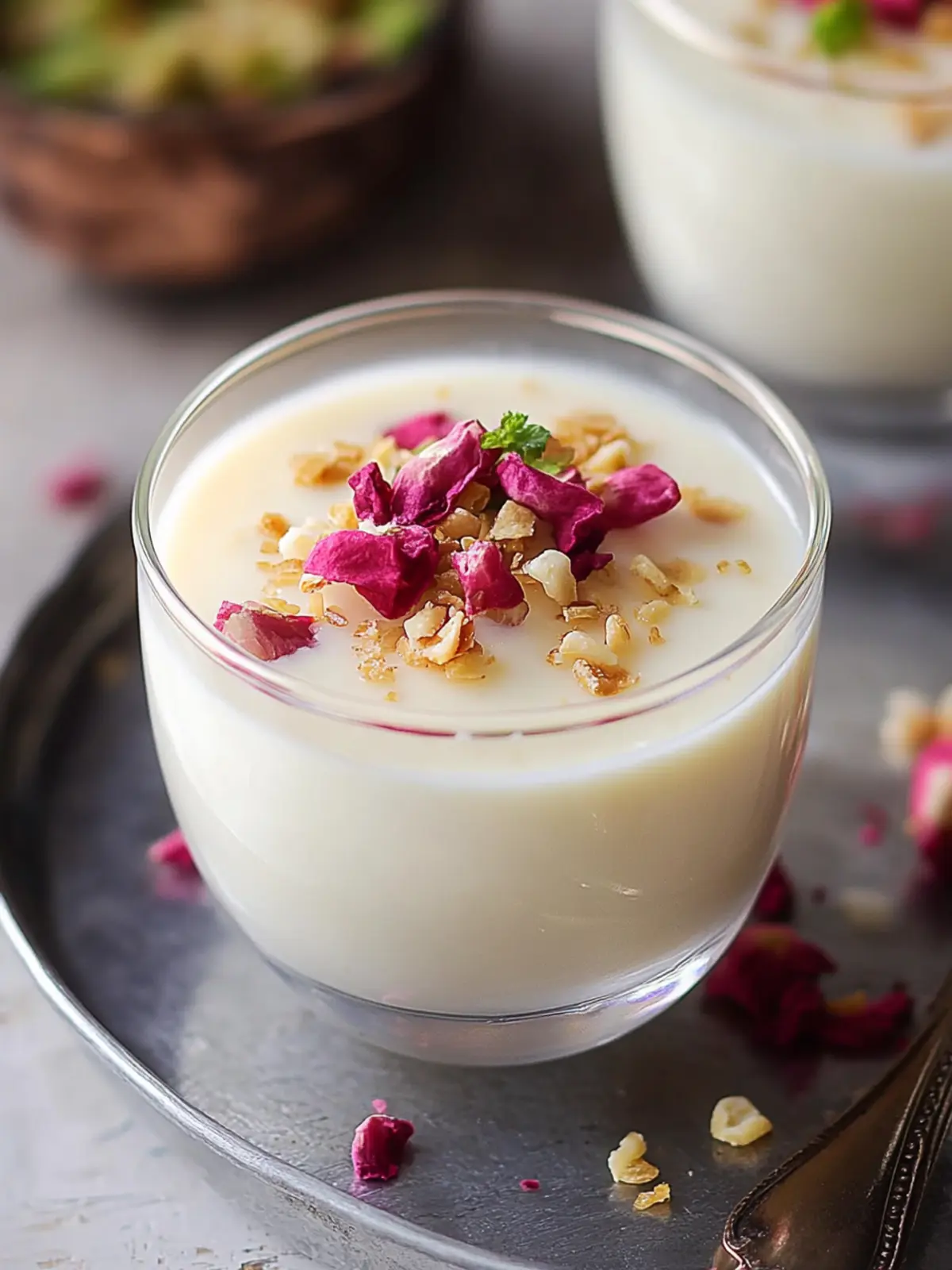
Make Ahead Options
These delightful Middle Eastern milk pudding cups are perfect for busy cooks looking to streamline their meal planning! You can prepare the pudding itself up to 3 days in advance, allowing the flavors to meld beautifully while developing that creamy texture. Simply follow the recipe instructions up to the refrigeration step, then cover and refrigerate the pudding. For the best results, keep your garnishes nuts, shredded coconut, or raisins separate until you re ready to serve to ensure they retain their crunch. When it’s time to indulge, just add your toppings and enjoy a delicious treat with minimal effort, perfect for unexpected guests or a sweet finish after dinner!
Middle Eastern Milk Pudding Variations
Customize your Middle Eastern milk pudding experience with these delightful twists and swaps!
- Dairy-Free: Swap whole milk for any non-dairy milk, like almond or coconut milk, for a creamy treat that everyone can enjoy.
- Traditional Texture: Use rice flour instead of cornstarch for a more textured pudding, reminiscent of authentic recipes shared through generations.
- Sweetener Swap: Experiment with honey or maple syrup instead of sugar for a natural, unique sweetness.
- Exotic Infusion: Try saffron in place of cardamom for an aromatic twist that adds a luxurious golden hue and warm flavor to every spoonful.
- Fruit Purees: Mix in fruit purees, such as mango or passionfruit, while cooking for an enticing flavor boost and a pop of color.
- Nutty Delight: Garnish with different nuts, like almonds or hazelnuts, for a crunchy contrast to the creamy pudding. Wang trendy toppings changes the experience of the dessert beautifully!
- Heat Factor: Add a pinch of cayenne or chili powder to infuse a surprising heat that heightens the overall experience of the pudding.
- Layered Dessert: Create a parfait with layers of pudding and fruit, yogurt, or granola for a vibrant and texturally diverse presentation that wows guests.
What to Serve with Middle Eastern Milk Pudding?
Enhance your dining experience by pairing this creamy delight with complementary flavors and textures that elevate each spoonful.
- Fresh Fruit Salad: Bright, juicy fruits add a refreshing contrast to the rich pudding, balancing sweetness and texture.
- Almond Cookies: Crunchy and nutty, these cookies provide a delightful crunch that complements the smoothness of the pudding. Serve them alongside for a lovely bite-sized pairing.
- Mint Tea: A warm cup of mint tea cleanses the palate beautifully, providing a fragrant herbal touch that harmonizes with the pudding’s floral notes.
- Spiced Nuts: Roasted spiced nuts offer a satisfying crunch, infusing a touch of savory richness that balances the sweetness of the dessert.
- Baklava: This sweet pastry s flaky layers and nutty filling pair magnificently, adding a textural contrast to the silky pudding. The two desserts create a feast fit for any gathering.
- Chocolate Sauce: Drizzling a rich chocolate sauce can add indulgence; the bittersweet notes provide a different dimension to the dessert, appealing to chocolate lovers.
- Cardamom Coffee: Enjoy a warm cup of coffee infused with cardamom for a delightful twist, enhancing the flavors of the pudding while providing a cozy finish.
- Date Rolls: These sweet, chewy treats offer a touch of caramel flavor that elegantly complements the aromatic notes of the pudding, creating a delightful bite.
- Pistachio Ice Cream: For a summer-friendly option, pairing with this nutty ice cream introduces a creamy element while echoing the nut garnish on your pudding.
How to Store and Freeze Middle Eastern Milk Pudding
Fridge: Store your Middle Eastern milk pudding covered in the refrigerator for up to 2-3 days. Keeping it airtight helps maintain its creamy texture and prevents it from absorbing other odors.
Freezer: If you wish to freeze it, place the pudding in an airtight container for up to 1 month. Note that the texture may change slightly upon thawing, so give it a good whisk before serving.
Reheating: To enjoy the pudding after storing, allow it to thaw overnight in the fridge if frozen. Gently reheat it on low heat, whisking continuously to restore its creamy consistency.
Toppings: For best results, keep garnish options like nuts and coconut separate until you’re ready to serve to maintain their crunchiness and texture.
Expert Tips for Middle Eastern Milk Pudding
Whisk Thoroughly: Ensure the cornstarch or rice flour is completely dissolved before heating; this prevents lumps and ensures a silky texture in your pudding.
Continuous Attention: Don’t leave the pot unattended while cooking; whisking continuously helps avoid scorching and ensures a smooth finish for your Middle Eastern milk pudding.
Sweetness Balance: Start with less sugar and taste as you go; you can always add more to match your personal preference for sweetness.
Flavor Variations: Don’t be afraid to experiment! Try traditional cardamom, sweet rose water, or zesty orange blossom water for different flavor profiles each time you make it.
Presentation Counts: Pour the pudding into clear cups for serving; layering with fruits or garnishing with nuts makes your dessert visually stunning and appetizing.
Middle Eastern Milk Pudding Recipe FAQs
How should I select and store the ingredients for Middle Eastern milk pudding?
For the best flavor, choose whole milk that is fresh and not close to its expiration date. If using non-dairy milk, opt for unsweetened varieties to control the sweetness. Store the milk in the refrigerator at a temperature below 40°F (4°C). Sugar and cornstarch can be stored in a cool, dry place, and they typically have a long shelf life, so you can stock up without worry.
How long can I store leftover Middle Eastern milk pudding?
You can store your Middle Eastern milk pudding in the refrigerator for up to 2-3 days. Make sure to cover it with plastic wrap or place it in an airtight container to maintain its creamy texture and prevent it from absorbing other odors in the fridge.
Can I freeze Middle Eastern milk pudding?
Absolutely! If you wish to freeze the pudding, transfer it to an airtight container and store it for up to 1 month. Just keep in mind that the texture might change slightly upon thawing. To enjoy it, thaw the pudding in the fridge overnight, and reheat gently on low heat, whisking continuously to restore that dreamy creaminess.
What should I do if my pudding doesn’t thicken?
If your pudding isn’t thickening, it may be because the cornstarch wasn’t fully dissolved before heating, or the mixture wasn t whisked continuously. Don t worry! You can try whisking an extra tablespoon of cornstarch with some cold milk, then stir it into the pudding and cook over medium heat until thickened, whisking constantly until you reach that perfect consistency.
Is this recipe suitable for those with dietary restrictions?
Yes! This Middle Eastern milk pudding is easily adaptable. For a lactose-free option, simply swap whole milk for a non-dairy alternative, like almond or oat milk. Additionally, if you’re concerned about allergies, use sugar and be careful with garnishes; ensure nuts and coconut are safe for those consuming them.
Can I prepare the pudding ahead of time?
Very much so! This pudding is a make-ahead marvel. It can be prepared in advance, allowing you to chill it in the fridge and save yourself time on the day of serving. Just keep any garnishes separate until you re ready to serve for the best texture.