
Delicious St. Martin Luther Bread for Celebrating Tradition
Last Updated on May 8, 2026 by beatrizrecipez
When the charming scent of freshly baked bread wafts through my kitchen, it always brings back memories of family gatherings and joyous celebrations. That s the nostalgia I felt the first time I made St. Martin Luther Bread, or Lutherbrodt, a traditional German sweet roll that beautifully balances history and flavor. With its soft, airy texture, this delightful bread is more than just a treat it’s a way to honor the legacy of Martin Luther himself. As I rolled out the dough, filled it with vibrant red jam, and folded in rich raisins and crunchy almonds, I knew I was crafting something truly special. Each bite reveals a luscious jam center that s reminiscent of the iconic Luther Rose, making it a perfect choice for any occasion whether you re commemorating a significant tradition or simply yearning for an indulgent homemade pastry. Join me in creating this irresistible St. Martin Luther Bread, and let its sweetness brighten your day!
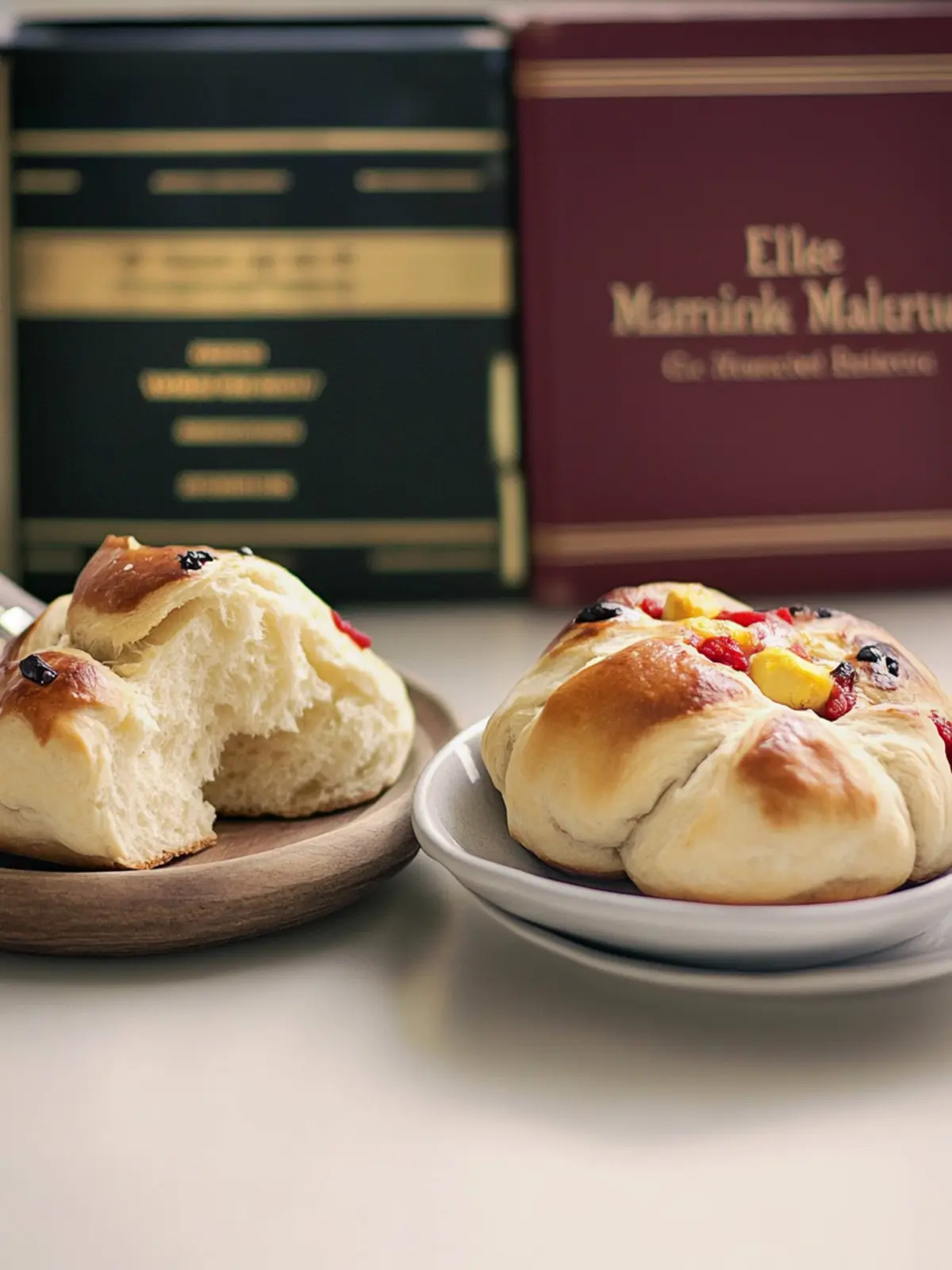
Why will you love St. Martin Luther Bread?
Tradition and Flavor: This delightful bread honors the rich history of Martin Luther while tantalizing your taste buds.
Easy to Make: With simple ingredients and straightforward steps, you ll have fresh rolls in no time!
Irresistible Filling: The sweet, jam-filled center offers a burst of flavor that elevates every bite.
Versatile Treat: Perfect for gatherings, holidays, or a cozy afternoon snack all year round.
Perfect Texture: Experience the soft, airy dough complemented by crunchy almonds and chewy raisins.
Family Favorite: Serve it warm and watch as everyone gathers to savor this deliciously nostalgic pastry.
St. Martin Luther Bread Ingredients
Rediscover the joy of homemade baking with these delightful components!
For the Dough
- Warm Milk Hydrates the yeast and contributes to a tender dough; for a dairy-free version, substitute with almond milk.
- Yeast This essential leavening agent helps the bread rise; always use fresh yeast for the best results.
- Butter Adds richness and moisture to the dough; margarine can be used for a dairy-free option.
- Sugar Sweetens the dough and encourages browning; consider using brown sugar for added depth.
- Egg Provides richness and acts as a binding agent; use a flaxseed egg for an egg-free alternative.
- Flour Gives structure to the bread; opt for all-purpose or bread flour to achieve a chewier texture.
For the Add-Ins
- Raisins Add sweetness and texture to the bread; can be replaced with dried cranberries or chopped apricots.
- Chopped Almonds Offer a delightful crunch and flavor; swap with walnuts or omit entirely for a nut-free option.
For the Filling
- Red Jam The vibrant center of the rolls; any fruit jam works well, with raspberry and strawberry being popular choices.
For the Finish
- Lemon/Orange Zest Elevates the flavor profile with a citrus note; adjust based on your taste preference.
- Powdered Sugar An optional dusting before serving; adds a sweet, finishing touch to your St. Martin Luther Bread.
How to Make St. Martin Luther Bread
Activate Yeast: In a bowl, combine the warm milk and yeast. Allow it to sit for a few minutes, until frothy and bubbly this shows your yeast is alive and ready to work its magic!
Make Dough: Cream together the butter and sugar in a large mixing bowl. Then, add in the beaten egg and the activated yeast mixture. Gradually stir in the flour until a soft dough forms, and gently fold in the raisins and almonds.
First Rise: Knead the dough on a floured surface until it s smooth and elastic, about 5-7 minutes. Lightly oil the dough, cover it with a cloth, and let it rise in a warm place for approximately 1 hour, or until it doubles in size.
Shape Rolls: Preheat your oven to 350°F. Roll the risen dough out into a rectangle and cut it into 12 equal squares. Flatten each square slightly to prepare for filling.
Fill and Form: Bring the corners of each square to the center, forming a neat pouch. Place the filled rolls on a baking sheet lined with parchment paper and add 1 tablespoon of red jam into the center of each roll for that vibrant burst of flavor.
Bake: Slide the baking sheet into the preheated oven and bake for about 15 minutes, or until they are golden brown and fragrant. Allow them to cool slightly before dusting with powdered sugar and citrus zest for that extra special finish.
Optional: Serve warm with a cup of coffee or tea for a delightful afternoon treat.
Exact quantities are listed in the recipe card below.
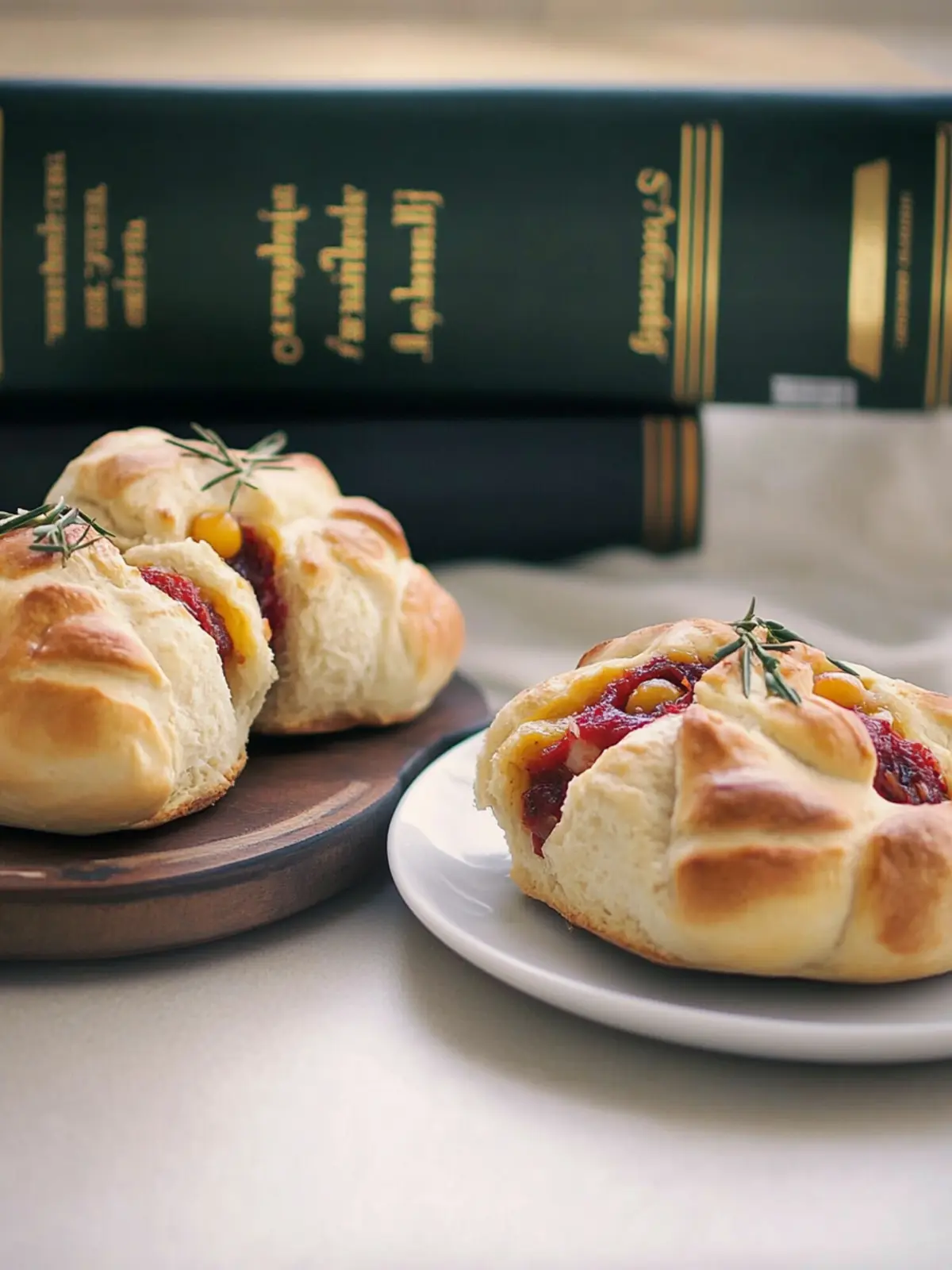
Expert Tips for St. Martin Luther Bread
Check Yeast Freshness: Always ensure your yeast is alive by checking for foam after mixing it with warm milk; inactive yeast can ruin your St. Martin Luther Bread.
Knead Well: Adequate kneading is key to achieving that soft, airy texture; aim for a smooth and elastic dough to promote good rise.
Don t Overbake: Keep an eye on your rolls while baking; they should be golden brown and soft not hard or overly dark.
Experiment with Fillings: Feel free to swap out the red jam with other flavors; raspberry and strawberry are classic, but apricot or cherry can provide a delicious twist.
Adjust Sweetness: Depending on your taste, you can increase or decrease the sugar in the dough; using brown sugar will give a richer flavor profile.
What to Serve with St. Martin Luther Bread?
There s nothing like a warm roll fresh from the oven, but what can elevate your St. Martin Luther Bread experience even more?
Rich Coffee: The deep notes of a freshly brewed cup beautifully balance the sweetness of the bread, creating a comforting pairing.
Zesty Citrus Salad: A refreshing mix of oranges and grapefruits brightens your palate, enhancing the citrus notes in the bread s finish. This interplay of flavors adds freshness to every bite.
Creamy Butter: Slathering a bit of rich, creamy butter on a warm roll brings indulgence to this traditional treat, making it even more delightful.
Strong Beer: For a traditional German experience, pair your bread with a bold beer; the robust flavor complements the sweet, rich notes wonderfully.
Decadent Chocolate Spread: A smooth layer of chocolate spread turns your St. Martin Luther Bread into a heavenly dessert, adding a touch of indulgence with every bite.
Vanilla Ice Cream: A scoop of vanilla ice cream alongside the warm rolls creates a delightful contrast, with the cold creaminess making the warm pastry even more enjoyable.
Fruit Jam Selection: Offering a variety of jams lets guests customize their experience think raspberry, apricot, or even a spicy peach for a fun twist!
Cozy Hot Cocoa: On chilly days, a mug of hot cocoa makes a perfect companion, transforming your roll into a delightful afternoon treat that warms your heart.
St. Martin Luther Bread Variations
Feel free to explore and make this traditional treat truly your own!
Fruit Jam Variations: Use apricot or cherry jam for a different flavor twist; each jam adds its own sweetness and character.
Let your taste buds guide you as you experiment with tangy or tart options that surprise and delight.Nut-Free: Omit almonds entirely or substitute with seeds like sunflower or pumpkin seeds for a delightful crunch without nuts.
You’ll still relish the rich texture, keeping it suitable for those with allergies.Spiced Dough: Add a teaspoon of cinnamon or nutmeg to the dough for a warm, inviting flavor; it’s a cozy touch for chilly days.
The addition of spice creates a comforting aroma reminiscent of holiday baking.Whole Wheat Twist: Swap out half of the all-purpose flour for whole wheat flour for a nutty flavor and added nutrition.
This variation not only makes the bread nutritious but also enhances its heartiness.Sweetener Swap: Use honey or maple syrup instead of granulated sugar for a natural sweetness that enriches the dough.
The unique flavors will transport you to a countryside bakery, making each bite even more special.Citrus Zest Boost: Incorporate lemon or orange zest into the dough for a brighter flavor; it pairs beautifully with the jam.
This zest could elevate your experience and transport you to a sunlit orchard with every bite.Savory Version: Experiment with cheese, like grated Gruyère or sharp cheddar, instead of jam for a unique savory roll.
It transforms your St. Martin Luther Bread into a delightful treat perfect for brunch or a sophisticated snack.
Make Ahead Options
St. Martin Luther Bread is perfect for meal prep enthusiasts! You can prepare the dough up to 24 hours in advance. Simply follow the instructions to activate the yeast and make the dough, then allow it to rise. After the first rise, punch down the dough, cover it tightly in plastic wrap, and refrigerate. When you’re ready to bake, allow it to come to room temperature and rise again for about 30 minutes before proceeding with shaping and filling. For longer storage, these delightful rolls can be shaped and filled, then frozen for up to 3 months just bake them straight from the freezer, adding a few extra minutes to the baking time. This way, you’ll enjoy fresh, delicious St. Martin Luther Bread with minimal effort on busy days!
How to Store and Freeze St. Martin Luther Bread
Room Temperature: Store your St. Martin Luther Bread in an airtight container at room temperature for up to 3 days to maintain freshness.
Fridge: If you’d like to keep it longer, refrigerate it for up to a week, but be aware it may lose some of its moist texture.
Freezer: For extended storage, freeze the rolls in a single layer on a baking sheet, then wrap in plastic wrap and place in a freezer-safe bag for up to 3 months.
Reheating: To enjoy later, thaw the bread in the fridge overnight and warm it gently in the oven or microwave before serving.
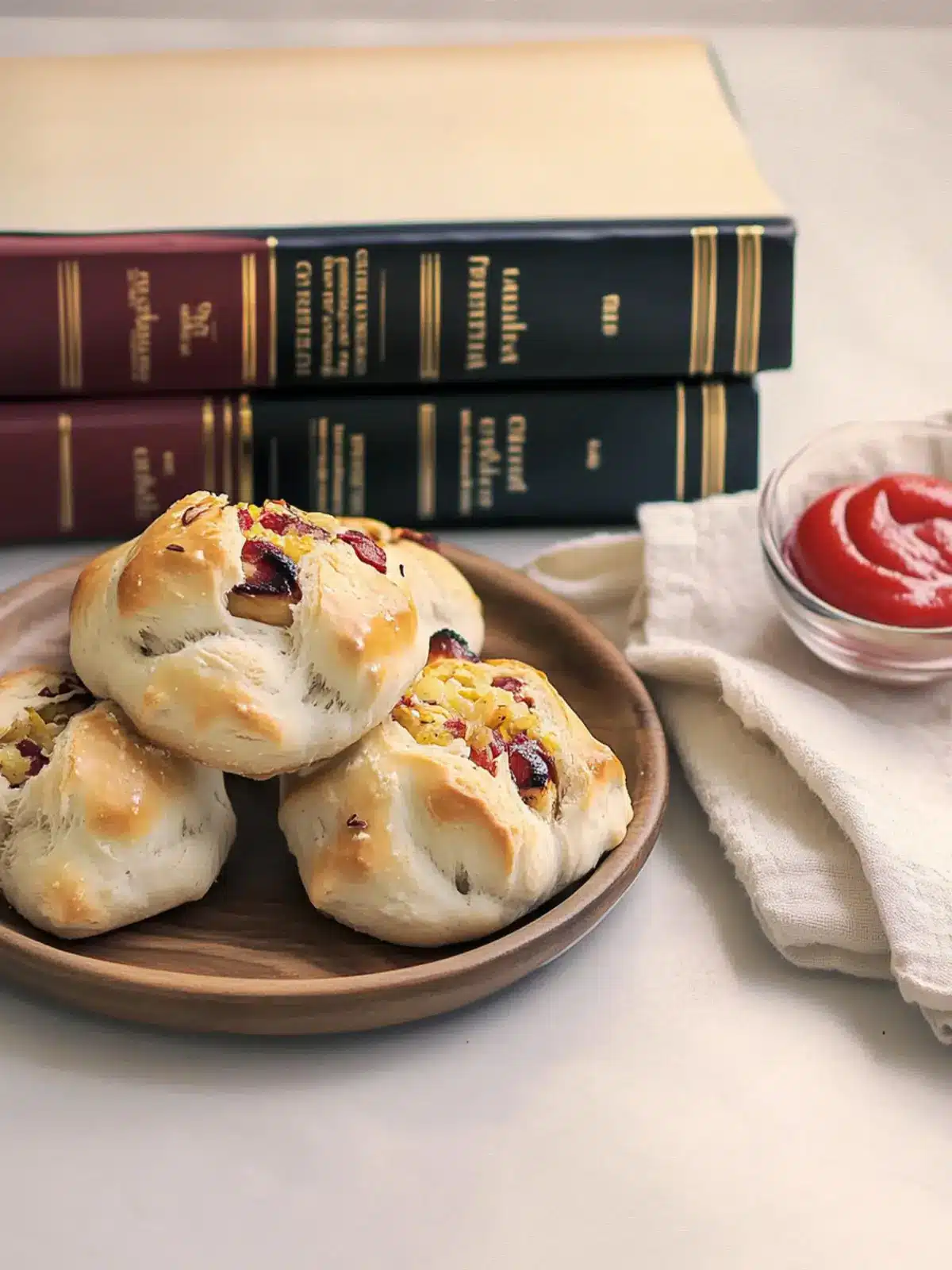
St. Martin Luther Bread Recipe FAQs
What type of milk is best for this recipe?
Absolutely! Warm milk is ideal as it hydrates the yeast and ensures a tender dough. If you’re looking for a dairy-free option, almond milk works wonderfully too!
How should I store St. Martin Luther Bread?
You can store St. Martin Luther Bread in an airtight container at room temperature for up to 3 days. If you find your bread getting too dry, refrigerating it can prolong freshness for up to a week, though it may lose some moisture.
Can I freeze St. Martin Luther Bread?
Yes, you can certainly freeze these delicious rolls! First, place them in a single layer on a baking sheet until frozen. Then, wrap each roll in plastic wrap and store them in a freezer-safe bag for up to 3 months. When you’re ready to enjoy them, thaw in the fridge overnight and warm gently in the oven for that freshly baked taste!
What if my dough doesn t rise?
Very! If your dough hasn t risen, check that your yeast was fresh the foamy reaction is key! Make sure your dough is kept in a warm place during rising; if your kitchen is cold, try placing it in an oven set to “warm” (but turned off) or letting it rise under a cozy blanket. Kneading well and ensuring moisture is also vital for a good rise.
Are there any common allergens in this recipe?
Certainly! This St. Martin Luther Bread recipe contains dairy (milk and butter), gluten (flour), and eggs. If you have allergies, you can substitute almond milk for regular milk, margarine for butter, and use a flaxseed egg instead of a traditional egg to make it more friendly for various dietary needs.
What if I don t have raisins?
Not a problem! You can swap the raisins with dried cranberries, chopped apricots, or even nuts if you prefer an extra crunch. The more the merrier when it comes to adding your favorite dried fruits!