
Delicious Oha Soup: A Hearty Taste of Nigerian Tradition
Last Updated on May 8, 2026 by beatrizrecipez
When I first tasted Oha Soup, I was struck by its rich, umami-packed depth of flavor. The savory aroma fills the kitchen as succulent meat simmers alongside tender oha leaves, making this dish an irresistible comfort food classic in Nigerian cuisine. Reflecting a culinary tradition cherished by the Igbo people, each bowl promises not just nourishment but a heartfelt connection to a culture steeped in flavor and community.
Perfect for gatherings or cozy family dinners, this hearty soup beautifully marries texture and taste, featuring a delightful mix of meat, fish, and the aromatic zing of uziza leaves. As you prepare this dish, you’ll find joy in its simplicity yet the result is anything but ordinary! So grab your ingredients and let’s dive into this flavorful journey where every spoonful offers a taste of home.
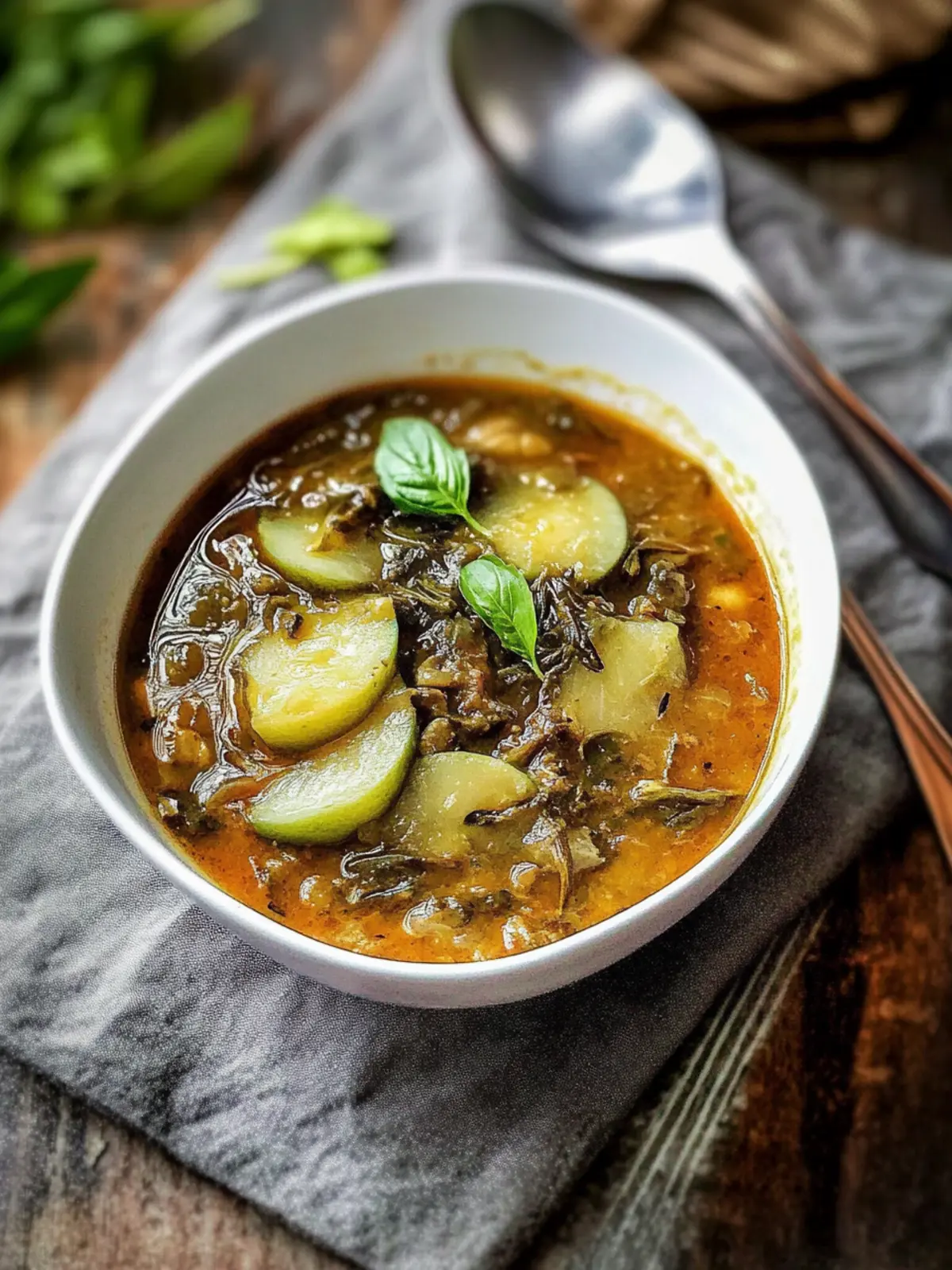
Why is Oha Soup a must-try?
Comforting Flavor: This soup is not just a meal; it s a warm embrace in a bowl. Nutritious Ingredients: Packed with vitamins and antioxidants, Oha soup is a nourishing option for everyone. Cultural Heritage: As part of Nigerian cuisine, every bowl tells a story of tradition and community. Versatile Recipe: Whether you choose beef, chicken, or fish, the flavors adapt beautifully. Easy Preparation: With straightforward steps, you can whip up this hearty dish in no time. Try serving it with semovita or fufu for an authentic experience that will have your family coming back for more!
Oha Soup Ingredients
Let’s gather the essentials for your delicious Oha Soup!
For the Soup Base
- Oha Leaves Essential leafy green providing unique flavor and nutrition. Substitution: Can use African rosewood leaves if oha is unavailable.
- Cocoyam Acts as a thickening agent, giving the soup its satisfying consistency. Substitution: Use cocoyam flour, ground ofo, or ground achi if cocoyam is not available.
- Beef Adds heartiness and protein to the dish. Use any preferred meat or a mix of meats for different textures.
- Dry Fish Enhances the umami flavor profile of the soup. Substitution: Any smoked fish can work, or skip for a vegetarian version.
- Crayfish A local seasoning that adds depth and complexity. Substitution: Skip if unavailable; adjust spices accordingly.
For Flavor
- Palm Oil Provides richness and a distinct flavor. Substitution: Less common oils can be used, but they will alter the flavor.
- Scotch Bonnet Peppers For heat and flavor. Substitution: Ground Cameroon pepper for a milder version.
- Ogiri Igbo Fermented seasoning for a unique taste. Substitution: Fish sauce can be an alternative.
- Uziza Leaves Adds a fresh herbal note and additional health benefits. Substitution: Can omit or use other fresh herbs like basil if necessary.
These ingredients come together to create the heartwarming experience of Oha Soup. Happy cooking!
How to Make Oha Soup
Boil the Meat: Start by placing your preferred chunks of beef in a pot with water. Bring to a boil and cook until tender, typically about 45 minutes, creating a flavorful stock.
Add Seasonings: Incorporate crayfish and chopped Scotch bonnet peppers into the pot. This will infuse the broth with an irresistible depth of flavor as it simmers for another 10 minutes.
Introduce Dry Fish: Add your dry fish to the pot, letting it mingle with the tasty stock. Lower the heat to a gentle simmer, allowing the fish to soften for about 5-10 minutes.
Stir in Palm Oil: Gently mix in palm oil, stirring until it brightens the soup’s color and enriches the flavor. This will take another 3-5 minutes on low heat.
Dissolve Ogiri Igbo: In a separate bowl, mix ogiri igbo with a little water until it’s smooth, then pour it into the pot, contributing a cherished traditional flavor.
Thicken with Cocoyam: Mash the cocoyam and gradually mix it into the soup, stirring until everything is well combined. Adjust simmering time until the soup thickens to your desired consistency.
Add Oha and Uziza Leaves: Finally, delicately fold in the shredded oha and uziza leaves into the pot. Cook for just 2-3 minutes to keep the leaves vibrant and fresh without overcooking them.
Optional: Serve with semovita, eba, or fufu for a hearty addition to your meal.
Exact quantities are listed in the recipe card below.
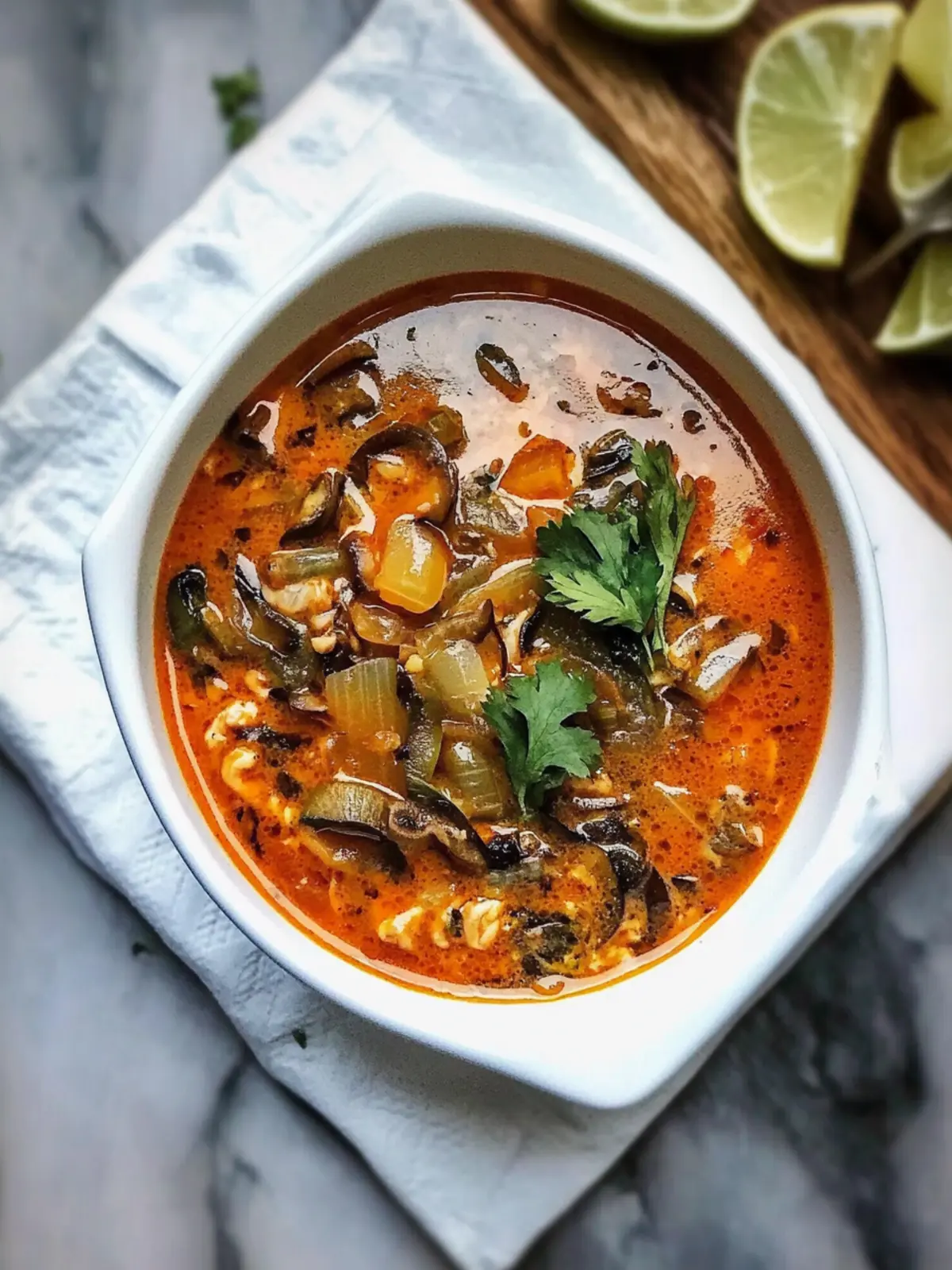
Make Ahead Options
Preparing Oha Soup ahead of time is a game changer for busy weeknights! You can cook the soup base, including the meat and broth, up to 3 days in advance and refrigerate it in an airtight container. If you want to prep even further, you can also mash the cocoyam and mix it into the soup, ensuring it thickens nicely. Just be sure to fold in the oha and uziza leaves right before serving (within 2-3 minutes) to preserve their vibrant colors and freshness. By following these make-ahead tips, you can enjoy a hearty bowl of Oha Soup that s just as delicious as when freshly made, saving you time without sacrificing flavor!
How to Store and Freeze Oha Soup
Fridge: Store your Oha Soup in an airtight container for up to 3 days. Let it cool before sealing to maintain freshness.
Freezer: If you want to keep it longer, freeze Oha Soup in portioned containers for up to 3 months. Allow it to cool completely before freezing to prevent ice crystals.
Reheating: When ready to enjoy, thaw overnight in the fridge and reheat gently on the stovetop or in the microwave. Stir well and add a splash of water if needed to restore consistency.
Preservation of Oha Leaves: For leftover oha leaves, wrap them in paper and place them in a polythene bag without refrigeration to preserve their flavor and texture.
Expert Tips for Making Oha Soup
Hand-Shred the Leaves: Always shred oha leaves by hand to maintain their vibrant flavor and texture. Using a knife can lead to bitterness.
Control the Heat: Adjust the amount of Scotch bonnet peppers based on your spice preference. For milder soup, swap for a lighter pepper variant.
Thicken Smartly: When adding cocoyam, dissolve it thoroughly to prevent lumps. You want a silky texture in your Oha Soup, not a chunky one.
Season Mindfully: Since the meat stock can be salty, start with a small amount of salt when seasoning your soup, and adjust gradually.
Cover with Care: Avoid covering the pot immediately after cooking to keep the leaves bright and appealing. A quick stir before serving also keeps everything fresh.
These helpful tips will ensure your Oha Soup turns out nothing short of delicious!
Oha Soup Variations & Substitutions
Feel free to get creative with your Oha Soup, bringing your own flair to this traditional dish!
Meat Variations: Try goat, chicken, or even lamb for a different protein twist, adding unique flavors and textures to your soup. Each type of meat brings its own story and warmth to the dish.
Fish Options: Use any smoked fish, like mackerel or catfish, to lend a different umami depth. Embracing regional fish can enhance that authentic taste.
Vegetarian Delight: For a plant-based option, skip the meat and fish entirely, using hearty vegetables and vegetable broth instead. This substitution maintains the soul of the soup while catering to dietary needs.
Thickness Adjustments: If you re out of cocoyam, cocoyam flour or ground achi can work as substitutes to ensure your soup remains thick and comforting. It s all about keeping that luscious, hearty feel.
Heat Levels: Swap out Scotch bonnet peppers for milder ones such as jalapeños or sweet bell peppers to reduce heat. This adjustment makes the soup a delightful option for the whole family.
Herb Substitutes: If uziza leaves are hard to find, fresh basil or even spinach can provide that needed green touch while keeping it vibrant. Experiment with different herbs to find your perfect blend!
Flavor Boost: Add a splash of lemon or lime juice at the end for a refreshing citrus note that brightens the whole dish. It s a little secret that packs a big flavor punch!
Creaminess: For added richness, a touch of coconut milk can be incorporated, lending a creamy texture and a hint of sweetness to the traditional flavors of the soup.
Let these variations guide you in making the Oha Soup truly yours!
What to Serve with Oha Soup?
Elevate your Oha soup experience with delightful sides that complement its rich flavors and enhance your meal.
Semovita: Soft and stretchy, this classic side pairs seamlessly, absorbing the hearty soup and enhancing each flavorful bite.
Fufu: This versatile and fluffy option complements the thick texture of Oha soup, making every spoonful a match made in heaven.
Pounded Yam: Pair your soup with pounded yam for a comforting combination of flavors and textures, truly embracing Nigerian traditions.
Eba: The slightly tangy and chewy texture of eba brings balance, allowing the savory soup to shine while providing a satisfying experience.
Sautéed Vegetables: Lightly sautéed greens or mixed vegetables add a fresh touch and crunch, enhancing the nutritious aspect of your meal.
Indulging in these pairings will create a beautifully rounded dining experience that echoes the heartwarming essence of this cherished dish. Enjoy your culinary adventure!
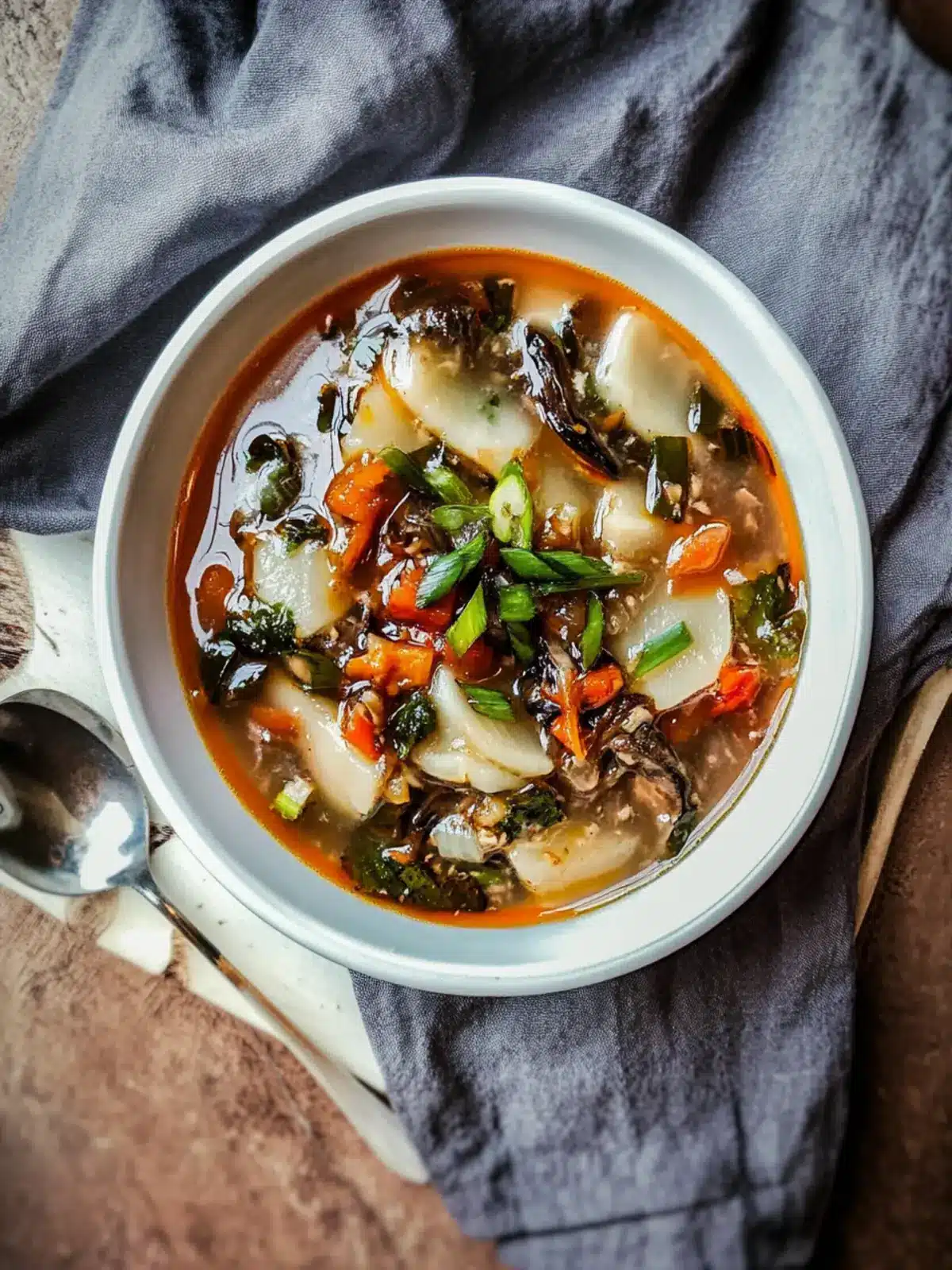
Oha Soup Recipe FAQs
What should I look for when selecting Oha leaves?
Absolutely! When choosing Oha leaves, look for vibrant green, tender leaves without any dark spots or wilting. Fresh leaves should feel crisp to the touch, ensuring you have the best flavor and nutritional value. If Oha leaves are unavailable, African rosewood leaves can serve as a fine substitute, so don t hesitate to get creative!
How should I store leftover Oha Soup?
After enjoying a delicious bowl of Oha Soup, allow it to cool completely. Then, transfer the soup into an airtight container and pop it in the fridge where it will stay fresh for up to 3 days. Just remember to let it cool before sealing to maintain that delightful flavor!
Can I freeze Oha Soup for later?
Yes, you can! To freeze your Oha Soup, first make sure it is completely cooled. Pour it into portioned containers, leaving a bit of space at the top for expansion, and seal them tightly. It can be stored in the freezer for up to 3 months. When you re ready to enjoy, thaw overnight in the refrigerator and reheat gently while stirring to restore its consistency.
What if my Oha Soup turns out too thick or too thin?
No worries! If your Oha Soup is too thick, stir in a small amount of water or broth and heat it through on low until you achieve your desired consistency. If it s too thin, let it simmer uncovered for a bit longer to reduce and thicken, or mash a little extra cocoyam into it. Remember, cooking is all about adjustments!
Is Oha Soup safe for people with allergies?
Great question! Oha Soup is naturally gluten-free, but watch out for specific ingredients depending on your allergies. For instance, if you or a guest are allergic to fish, skip the dry fish and enjoy the soup with meat only. Always check with guests about their dietary restrictions to ensure everyone enjoys a delicious meal without worry.
How can I keep my Oha leaves fresh for longer?
To keep your leftover Oha leaves fresh, wrap them in paper towels and then put them in a polythene bag without refrigeration. This method can help preserve their flavor and texture for a short while, keeping them ready for your next culinary adventure with Oha Soup!