
Delicious Ancient Greek Placenta: A Sweet Feta Surprise
Last Updated on May 8, 2026 by beatrizrecipez
The moment I first tasted the Ancient Greek Placenta Pastry, I was transported to a sun-drenched Mediterranean island, where the sweet scent of honey mingled with the salty richness of feta. It’s incredible how a simple dish can evoke such fond nostalgia, drawing you back to culinary traditions that have stood the test of time. As I savored each flaky layer, I couldn’t help but marvel at the rustic charm of this pastry a perfect balance that feels both familiar and exotic.
This delightful treat isn t just a classic; it s a crowd-pleaser that promises to impress your family and friends with its artistic layers and fast prep time. With just a handful of simple ingredients, you can create a dish that s not only beautiful to present but also brings back the warm-hearted spirit of sharing homemade food. Get ready to dive into an experience that merges history and mouthwatering flavors right in your own kitchen!
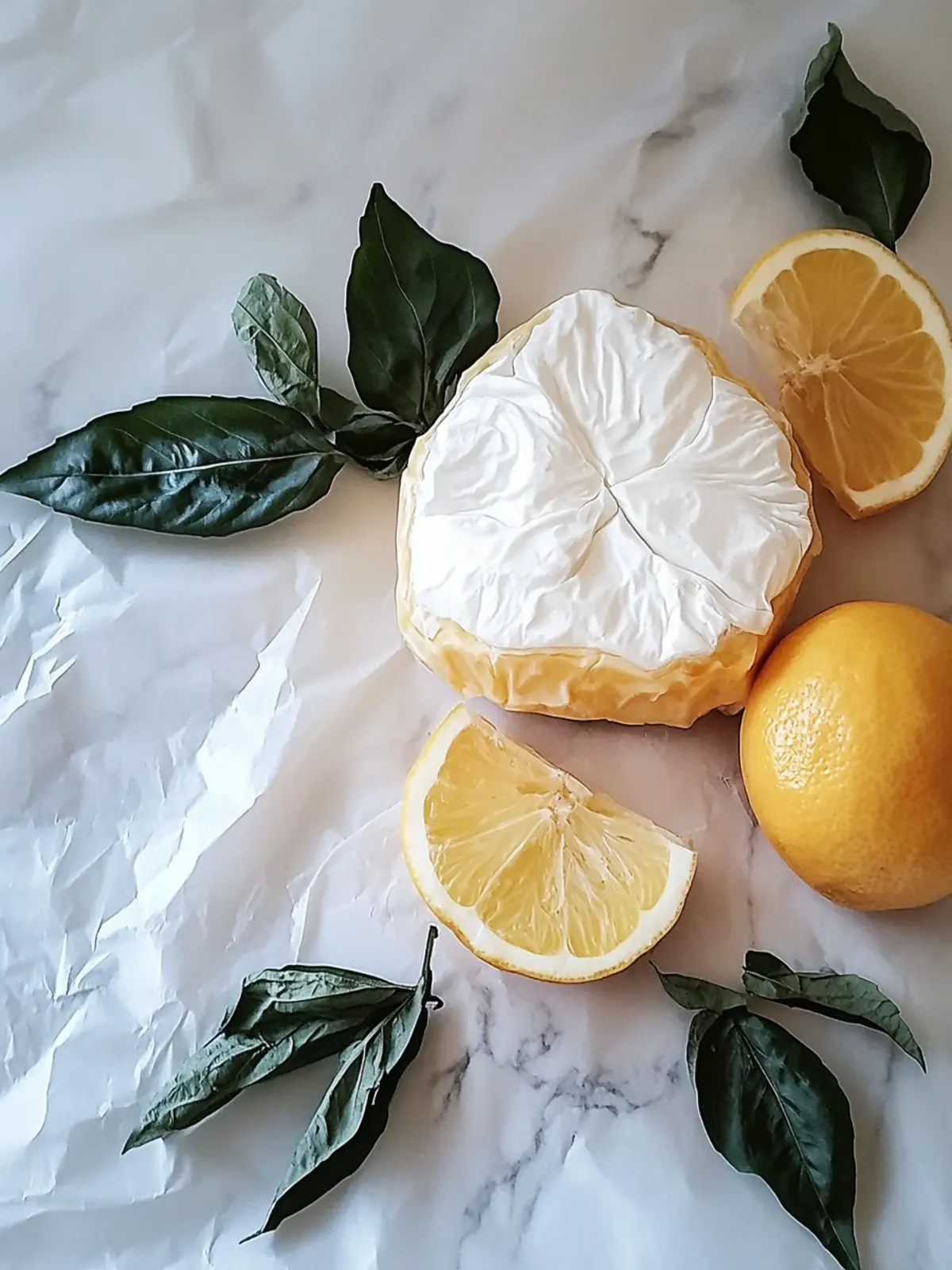
Why is Ancient Greek Placenta so special?
Nostalgic Flavors: Each bite captures the rich culinary heritage of ancient Greece, transporting you to sun-kissed shores.
Easy to Make: This pastry is simple to whip up, perfect for both novice and experienced cooks.
Unique Taste: The sweet and salty combination of feta and honey sets it apart, creating a flavor profile that s hard to resist.
Crowd-Pleasing: Whether it’s a family gathering or a festive celebration, this pastry is sure to be a hit!
Endless Variations: Customize the filling with fruits or nuts to suit your taste, making every batch a little different and exciting.
Transform your kitchen into a Mediterranean paradise with this ancient gem! Don t forget to check out additional tips for perfecting your pastry in our expert recommendations.
Ancient Greek Placenta Ingredients
For the Dough
Water Provides moisture for the dough; use lukewarm for better absorption.
All-Purpose Flour Serves as the primary structure for the pastry; substitute with whole wheat for a denser version.
Whole Spelt or Emmer Adds a rustic flavor; barley can be a great substitute if unavailable.
Extra-Virgin Olive Oil Imparts richness; feel free to replace it with melted butter.
For the Filling
Feta Cheese (1.75 pounds) The star ingredient, bringing a salty bite to balance with honey; rinse it to reduce saltiness if needed.
Honey (0.75 cup) Adds the necessary sweetness to the filling; drizzle extra on top before serving for a delightful finish.
For Baking
Bay Leaves (12-15) Layer these in the baking dish to enhance flavor; they re optional but highly recommended for added depth.
Now you have everything you need to create this Ancient Greek Placenta masterpiece! Gather your ingredients, and let’s start cooking!
How to Make Ancient Greek Placenta
Soak Grains: Start by soaking the whole spelt or emmer in 1 cup of lukewarm water for 24 hours. This helps to soften the grains, ensuring a deliciously tender pastry.
Make Dough: Combine the soaked grains with the remaining water and all-purpose flour. Knead until the mixture is smooth and elastic. Divide into portions, letting them rest briefly. Roll the dough into thin discs and allow to dry for 46 hours until firm.
Preheat Oven: Set your oven to 300°F (150°C). This low temperature allows the pastry to bake evenly, resulting in a beautifully golden crust.
Prepare Filling: Rinse the feta cheese thoroughly to remove excess salt, then mix it with honey until smooth and creamy. This sweet-savory filling is the highlight of the pastry!
Prepare Crust Dough: In a bowl, combine the remaining flour with ¾ cup of water. Knead for about 5 minutes until the dough is cohesive and manageable.
Assemble: In an oiled baking dish lined with bay leaves, layer the dried tracta (thin dough), add a generous spread of the feta filling, and top with another layer of crust dough. Cover the dish with foil and bake for 1 hour and 10 minutes. Then, uncover and bake for an additional 10 minutes or until the top is golden brown and inviting.
Cool and Serve: After baking, let the pastry rest for 1015 minutes. This pause helps maintain the distinct layers. Slice and drizzle with additional honey before serving for an extra touch of sweetness.
Optional: Add a sprinkle of fresh herbs like thyme or oregano for a fragrant twist.
Exact quantities are listed in the recipe card below.
Expert Tips for Ancient Greek Placenta
Dough Consistency: Ensure that the tracta dough is thin yet sturdy. If it s too dry, it may crumble during baking, affecting the final texture.
Feta Balance: Rinse the feta cheese well if it s overly salty; taste before mixing with honey to ensure a perfectly balanced filling.
Cooling Time: Be patient and allow the pastry to cool adequately. Cutting it too soon can disrupt the beautiful layers that you’ve created.
Baking Awareness: Keep an eye on your oven; different models may require slight adjustments in baking time. Look for a perfect golden brown top to know it’s done.
Flavor Variations: Don t hesitate to experiment with fillings beyond feta! Incorporate fruits or nuts for unique flavors that put a fresh spin on the ancient Greek placenta.
Ancient Greek Placenta Variations
Here s your chance to make this delightful pastry even more exciting by personalizing it to your taste!
Cheese Swap: Try using ricotta or goat cheese for a creamier filling. These cheeses will deliver a different texture and flavor experience.
Citrus Zest: Add a hint of lemon or orange zest to the filling for a bright, refreshing twist. A little zest can elevate the overall flavor profile beautifully.
Nutty Crunch: Incorporate chopped walnuts or almonds into the filling. This addition gives a pleasing crunch that contrasts the creamy feta.
Fruit Fusion: Mix in seasonal fruits like figs, pears, or apples for a sweet surprise. These fruits can provide a delicious balance to the salty feta and honey.
Herb Infusion: Add fresh herbs like dill or oregano to the cheese mixture. This will infuse the pastry with aromatic flavors reminiscent of an herb garden in full bloom.
Spicy Kick: For those who enjoy a little heat, sprinkle in some red pepper flakes or finely chopped jalapeños. This unexpected addition creates a delightful balance with the sweet honey.
Alternative Sweeteners: Swap traditional honey with agave syrup or maple syrup for a unique sweetness. Each option will bring its own character to the dish.
Flavored Dough: Experiment with different flavored doughs, such as adding spices like cinnamon or nutmeg for an aromatic touch. A spiced pastry can add a fascinating twist to each bite.
Embrace your creativity and craft a version of Ancient Greek Placenta that speaks to your palate!
What to Serve with Ancient Greek Placenta Pastry?
Creating a delightful meal is all about those perfect pairings that elevate your experience.
Fresh Figs: The sweet, chewy texture of figs pairs beautifully with the creaminess of feta and honey, enhancing the pastry’s flavor.
Pomegranate Seeds: Their burst of tartness adds a refreshing contrast, making each bite of the salty pastry even more interesting.
Cucumber Yogurt Dip: This creamy dip cools the palate and provides a refreshing counterpoint to the rich sweetness of the honey.
Honey-Glazed Walnuts: With their crunchy texture and sweetness, they add an extra layer of flavor that complements the pastry’s filling flawlessly.
Herbed Salad: A light salad with fresh herbs like mint or parsley adds brightness, making for a balancing element to the dense pastry.
Greek Coffee: Serve alongside strong, aromatic coffee, which enhances the dessert’s flavors and provides a delightful after-meal experience.
Every element adds a unique twist to this rustic pastry, creating a well-rounded dining experience that will bring warmth and joy to your table.
Storage Tips for Ancient Greek Placenta
Room Temperature: This delicious Ancient Greek Placenta can be left out for up to 2 hours before refrigerating to maintain its wonderful texture.
Fridge: Store wrapped tightly in plastic wrap or an airtight container for up to 3 days. This helps to preserve the pastry s delightful moisture and taste.
Freezer: Wrap securely in foil or a freezer bag to freeze for up to 2 months. Thaw in the fridge overnight and reheat in a preheated oven at 350°F (175°C) for a few minutes for optimal freshness.
Make Ahead Options
These Ancient Greek Placenta Pastries are a fantastic choice for busy home cooks looking to simplify meal prep! You can soak the whole spelt or emmer up to 24 hours in advance, which softens the grains and saves time on baking day. Additionally, the feta filling can be prepared ahead of time and refrigerated for up to 3 days; just be sure to store it in an airtight container to maintain its creamy texture. When you’re ready to enjoy your pastry, simply assemble the layers as instructed and bake until golden. This prep will ensure that your Ancient Greek Placenta is just as delicious, offering the same delightful combination of flavors without the last-minute rush.
Ancient Greek Placenta Pastry with Feta and Honey Recipe FAQs
What is the best way to select ripe feta cheese?
Absolutely! For the best results, choose a fresher feta that is creamy and moist rather than overly salty and crumbly. Look for a cheese with a clean, milky smell without dark spots all over. If you find feta too salty, consider rinsing it under cold water to mellow the flavor before mixing with honey.
How should I store leftover Ancient Greek Placenta?
Very! To enjoy this dish at its best, wrap it tightly in plastic wrap or place it in an airtight container. It can be stored in the fridge for up to 3 days. Just remember, don t let it sit out for more than 2 hours to maintain its texture and flavor.
Can I freeze the Ancient Greek Placenta?
Absolutely! To freeze, wrap the pastry securely in foil or place it in a freezer bag, and it can last up to 2 months. When you’re ready to enjoy, thaw it overnight in the fridge and then reheat in a preheated oven at 350°F (175°C) for a few minutes. This will help restore its delightful crunch!
What should I do if my dough is too dry?
Don’t worry! If your dough is too dry and crumbles, add a little more lukewarm water, about 1 tablespoon at a time, until you achieve the right consistency. Knead it gently to ensure it becomes elastic but not sticky.
Is this recipe suitable for those with lactose intolerance?
Very much! You can easily make this recipe more accessible by substituting feta cheese with a lactose-free cheese or a vegan cream cheese alternative. Just ensure the rest of the ingredients meet your dietary requirements.
How long can I keep this pastry at room temperature?
Great question! You can leave the Ancient Greek Placenta out for up to 2 hours before it needs refrigerating. Keeping it wrapped and stored properly will help maintain that beautiful texture for your guests to enjoy!