
Delicious Ancient Greek Placenta: A Sweet Feta Surprise
Last Updated on May 8, 2026 by beatrizrecipez
Have you ever found yourself daydreaming about warm Mediterranean breezes while enjoying the comforting embrace of home-cooked desserts? That s precisely how I felt when I discovered the delightful world of ancient Greek placenta pastry. This rustic treat, combining salty feta and sweet honey, is a culinary treasure that s easier to whip up than you might think. The contrasting flavors create a symphony for your taste buds, making it a perfect crowd-pleaser for any occasion.
What s truly magical is how this dish connects us to centuries of tradition. It’s not just about food; it s an invitation to share stories and laughter with loved ones around the table. With just a handful of simple ingredients, this sweet and savory pastry transforms any gathering into a memorable feast. So grab your apron let s embark on this delicious journey to the heart of Greece and bring a taste of ancient history to your kitchen!
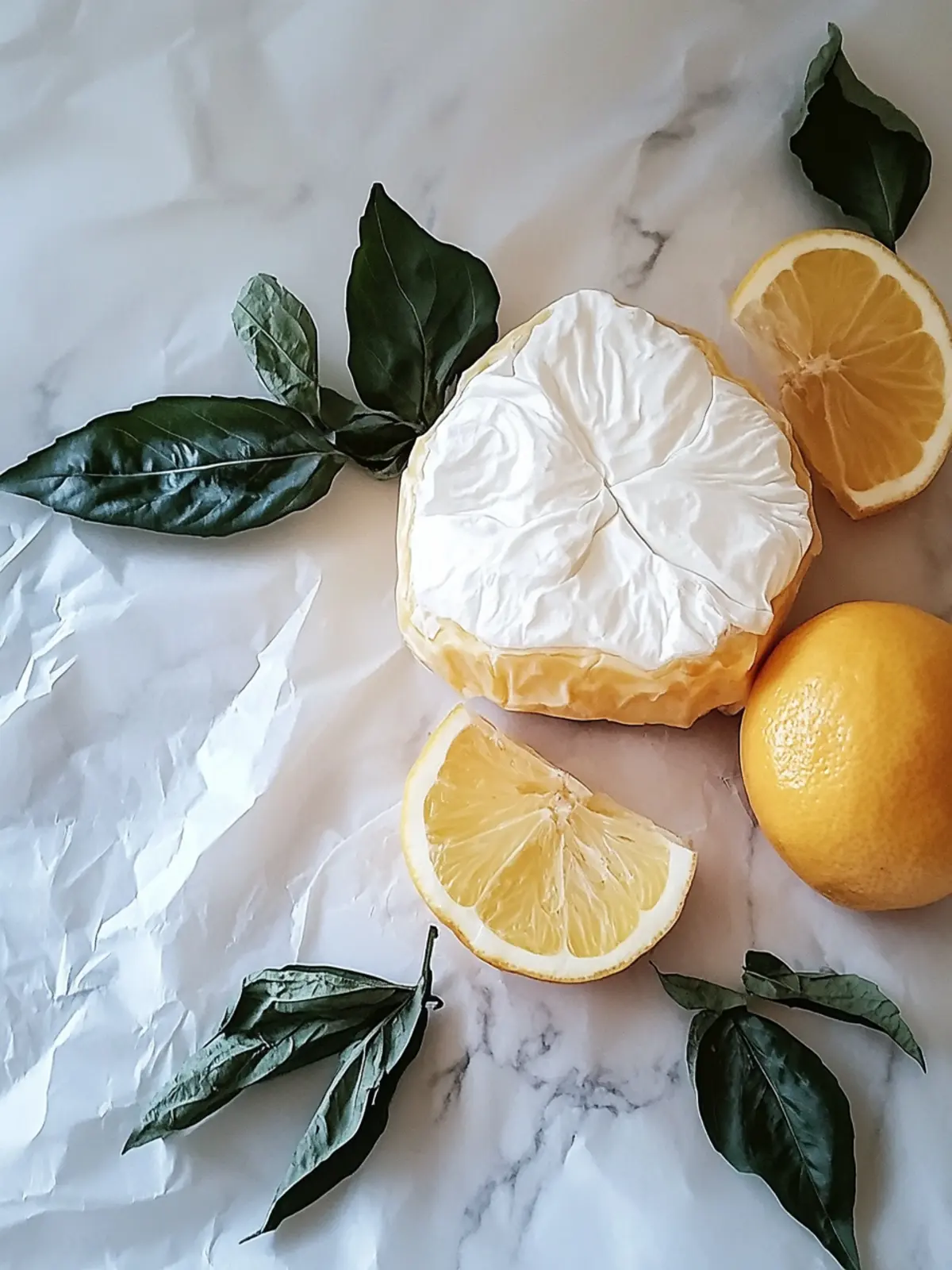
Why Will You Love Ancient Greek Placenta?
Deliciousness in Every Bite: This ancient Greek placenta boasts a unique combination of salty feta and sweet honey, creating a flavor explosion that will leave your guests craving more.
Simplicity: With just a few basic ingredients and straightforward steps, you can whip this rustic pastry up with ease, making it perfect for both novice and experienced cooks.
Versatility: Experiment with different fillings or incorporate seasonal fruits to create your personalized masterpiece.
Crowd-Pleaser: Its charming flavor and stunning presentation make it the ideal addition to any gathering, ensuring smiles around the table.
Cultural Richness: Each bite is a journey back in time, connecting you to the culinary traditions of ancient Greece and making your dining experience truly special.
Discover more about serving suggestions for this delightful treat in our serving suggestions.
Ancient Greek Placenta Ingredients
Get ready to create a rustic pastry that celebrates flavors and traditions!
For the Dough
- Water Provides moisture for the dough; use lukewarm to improve absorption.
- All-Purpose Flour The main structure for the pastry; can be swapped with whole wheat for a denser texture.
- Whole Spelt or Emmer Gives a rustic flavor; barley can serve as a great substitute if needed.
- Extra-Virgin Olive Oil Adds richness; feel free to replace it with melted butter for a different taste.
For the Filling
- Feta Cheese (1.75 pounds) The star ingredient, giving that perfect salty contrast to honey’s sweetness; rinse it first to manage saltiness if required.
- Honey (0.75 cup) Sweetens the filling beautifully; add a little extra on top before serving for a delightful finish.
For Layering
- Bay Leaves (12-15) These add depth to the flavor when layered in the baking dish; optional but highly recommended for enhancing the overall taste.
Now that you have all the ingredients ready, you re set to whip up this ancient Greek placenta dessert that is sure to become a family favorite!
How to Make Ancient Greek Placenta
Soak Grains: Begin by soaking whole spelt or emmer in 1 cup of lukewarm water for 24 hours. This step is crucial for achieving the right texture in your pastry.
Make Dough: Combine the soaked grains with the remaining water and all-purpose flour. Knead the mixture until smooth. Divide the dough and let it rest. Roll it into thin discs, allowing them to dry for 46 hours.
Preheat Oven: Preheat your oven to 300°F (150°C). This gentle heat will ensure your pastry cooks evenly.
Prepare Filling: Rinse the feta cheese to reduce the saltiness, and then mix it with honey until smooth and creamy. This combination is what makes your filling truly delightful!
Prepare Crust Dough: Take the remaining flour and combine it with ¾ cup of water, kneading for about 5 minutes until it forms a pliable dough.
Assemble: Layer the dried tracta, feta filling, and crust dough in an oiled baking dish that is lined with bay leaves. Cover with foil and bake for 1 hour and 10 minutes. Once done, uncover and bake for an additional 10 minutes until the top turns golden brown.
Cool and Serve: Allow the pastry to cool for 1015 minutes before slicing. Drizzle with a little extra honey just before serving for that irresistible finishing touch.
Optional: Garnish with fresh herbs or a sprinkle of cinnamon for added flavor.
Exact quantities are listed in the recipe card below.
Storage Tips for Ancient Greek Placenta
Room Temperature: This delightful ancient Greek placenta can sit out for up to 2 hours before it needs refrigeration. Enjoy it fresh for the best taste!
Fridge: Wrap tightly in plastic wrap or foil, and store in the refrigerator for up to 3 days. This helps maintain its delicious flavor and texture.
Freezer: Freeze securely wrapped in foil or a freezer-safe container for up to 2 months. Thaw in the fridge overnight, then reheat at 350°F (175°C) for a warm, delightful treat.
Reheating: To preserve the pastry’s texture, reheat gently in the oven. This will revive its crispiness while keeping the filling creamy and delicious.
Ancient Greek Placenta Variations
Feel free to get creative and make this delightful pastry your own with these fun twists!
Cheese Alternatives: Swap feta for ricotta or goat cheese for a creamier texture. This change offers a different flavor profile that can surprise your palate.
Citrus Zest Boost: Add lemon or orange zest to the filling for a refreshing, zesty kick. Just a teaspoon brings a bright note, enhancing the sweet and salty contrast beautifully.
Fruit Filling: Incorporate seasonal fruits like figs or cherries for a fresh twist. This fruity addition complements the honey and feta, creating an unforgettable sweet-savory experience.
Nutty Crunch: Mix in chopped nuts, such as walnuts or almonds, into the feta filling for added texture. They lend a delightful crunch, elevating the flavor profile of this rustic pastry.
Sweet Spice: Sprinkle in cinnamon or nutmeg to the honey filling for a warm, cozy flavor. These spices add depth, making each bite feel extra special.
Whole Grain Dough: Use whole wheat flour instead of all-purpose for a heartier dough. This swap gives the pastry a rustic feel while enhancing its nutritional value.
Heat it Up: Add a pinch of red pepper flakes to the filling for some heat. This unexpected kick creates an enticing contrast against the sweetness of honey.
Vegetarian Version: Substitute the feta with a seasoned tofu mixture for a plant-based spin. Even without cheese, the flavor can remain delightful and surprising.
Feel free to mix and match these ideas to create your unique version of this ancient Greek placenta. Enjoy the journey!
Make Ahead Options
These ancient Greek placenta pastries are perfect for meal prep, allowing you to save time on busy weeknights! You can prepare the dough and filling up to 24 hours in advance. To do this, soak the whole spelt or emmer and make the dough, then assemble everything in the baking dish, but refrain from baking. Cover the dish tightly with plastic wrap and refrigerate. When you re ready to serve, simply preheat your oven and bake as directed, adding an extra few minutes if needed for a golden finish. This way, your pastry will be just as delicious and ready to impress without the last-minute rush!
What to Serve with Ancient Greek Placenta?
Indulge in a Mediterranean dining experience that perfectly complements the sweet and savory allure of your pastry.
- Fresh Fig Slices: Their natural sweetness enhances the feta and honey, adding a juicy freshness to each bite.
- Pomegranate Seeds: These ruby-red gems offer a burst of tartness that cuts through the richness of the pastry, bringing a festive touch.
- Greek Yogurt with Honey: A creamy dip that beautifully contrasts the crunch of the pastry while echoing its sweet notes. This pairing is a delightful way to enjoy the flavors together.
- Honey-Glazed Walnuts: Their nutty crunch and additional sweetness create a perfect textural complement to the flaky layers of the placenta, making each bite more satisfying.
For a refreshing drink, consider pairing with a glass of white sangria its fruity notes enhance the Mediterranean flair while keeping the atmosphere light and enjoyable.
Expert Tips for Ancient Greek Placenta
Perfect Dough Consistency: Ensure the tracta dough is thin yet sturdy; too dry can lead to crumbling. Aim for a flexible texture for the best results.
Balancing Flavors: Rinse the feta thoroughly to manage its saltiness. Taste before mixing with honey to achieve the desired sweet-salty balance.
Cooling is Key: Let the pastry cool for at least 1015 minutes before cutting. This helps maintain the layers and prevents the filling from spilling out.
Watch the Baking Time: Different ovens can vary. Keep an eye on your pastry and look for that lovely golden brown top to know it s done.
Experiment and Customize: Don t hesitate to explore variations! Substitute feta with other cheeses or add citrus zest for a refreshing twist on this ancient Greek placenta.

Ancient Greek Placenta Recipe FAQs
How do I choose the best feta cheese for this recipe?
Absolutely! When selecting feta cheese, look for a block of feta immersed in brine. This ensures it stays moist and has a great flavor. Avoid crumbled feta, as it can be too dry. If the saltiness is overwhelming, rinse the cheese under cold water and pat dry before mixing with honey for a more balanced taste.
How should I store leftover Ancient Greek Placenta?
Very well! To keep your pastry fresh, wrap it tightly in plastic wrap or aluminum foil. Store it in the refrigerator for up to 3 days. If you want to enjoy it later, freezing is an option: carefully wrap it in freezer-safe materials and it can last up to 2 months. Just remember to allow it to thaw in the fridge overnight before reheating!
Can I freeze Ancient Greek Placenta?
Absolutely! To freeze this delightful pastry, allow it to cool completely after baking. Wrap it securely in foil or a freezer-safe bag. It s best to consume it within 2 months for optimal flavor. When you re ready to enjoy, thaw it in the refrigerator overnight and reheat in a 350°F (175°C) oven for about 15-20 minutes, until warmed through.
What if my dough is too dry or crumbly?
Don’t worry; this can happen! If your dough feels dry, you can add a teaspoon of lukewarm water gradually while kneading until it reaches the right consistency. Aim for a dough that is smooth and pliable, yet not sticky. Remember, the more you knead, the better the texture will be!
Is this recipe suitable for those with dietary restrictions?
Absolutely! If you need to adjust for dietary restrictions, you can substitute the feta with a dairy-free cheese option or a nut-based cheese. Just ensure that it has a similar flavor profile. For gluten-free needs, you can experiment with gluten-free flour blends in place of all-purpose flour, though you might need to adjust the amounts for the best consistency.
How can I enhance the flavor of my Ancient Greek Placenta?
What a great question! You can enhance the flavor by adding zest from citrus fruits like lemon or orange to the feta filling. Additionally, consider incorporating herbs like thyme or rosemary into your assembly process for a fragrant twist. A drizzle of fresh honey just before serving elevates the sweet elements beautifully!