
Cantonese Cha Guo Savory Rice Cakes: A Festive Delight Awaits
Last Updated on May 8, 2026 by beatrizrecipez
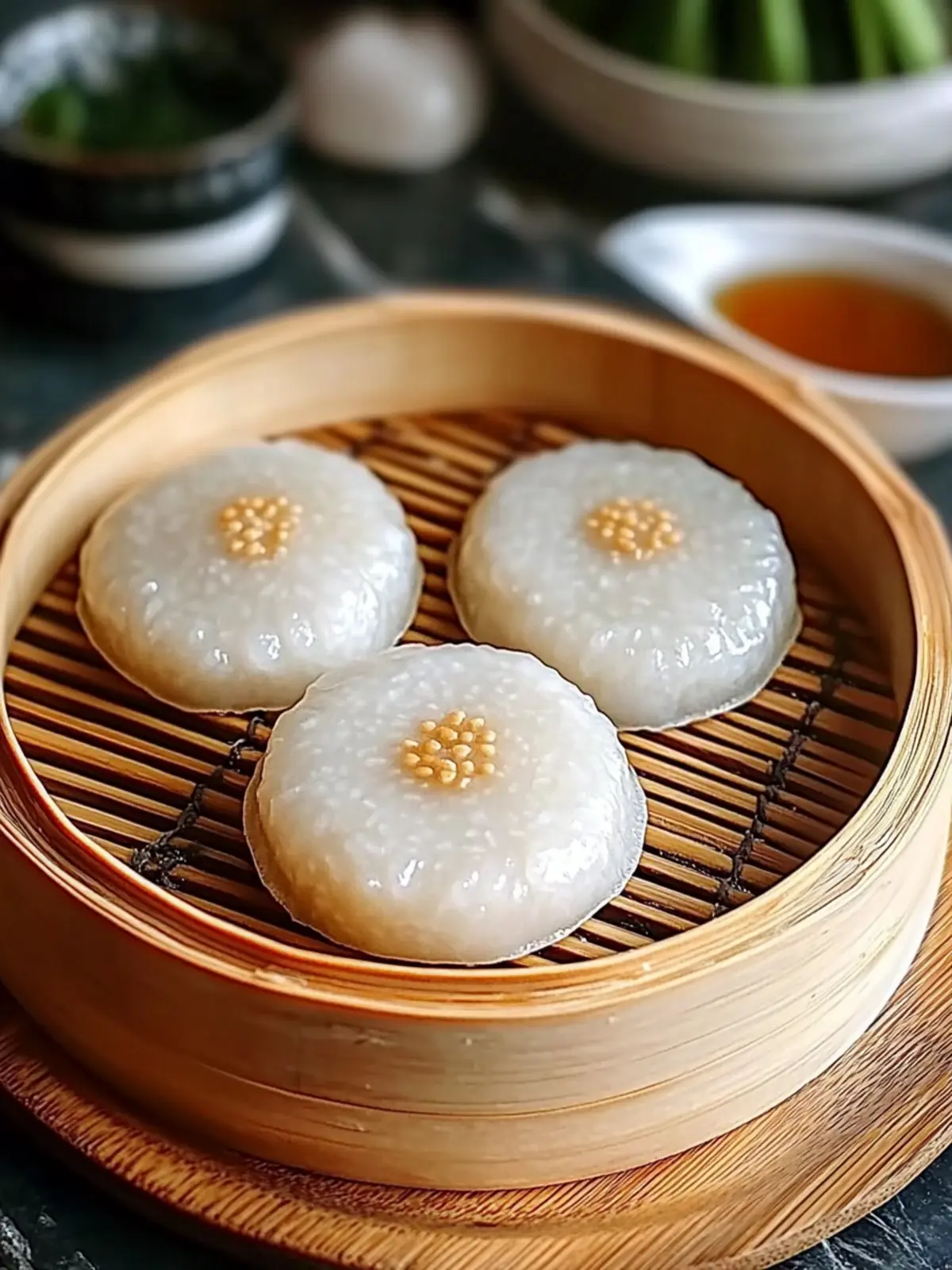
There s a certain warmth that comes from creating something with your hands, and I remember the joy of rolling dough on a Sunday afternoon, surrounded by family. That is precisely the feeling that Cantonese Cha Guo, or savory rice cakes, brings to my kitchen. Bursting with the inviting flavors of ground pork, shiitake mushrooms, and daikon radish, these delightful dumplings are rooted in tradition and are the perfect centerpiece for any celebration, from Chinese New Year to cozy family dinners.
If you re looking for a way to impress your guests or take a break from the ordinary fast-food routine, this recipe invites the essence of home-cooked comfort to your table. Each soft, chewy square is more than just a snack; it s a reminder of the joy of sharing meals with loved ones. So, let s dive into this culinary adventure that promises to fill your kitchen with mouthwatering aromas and your heart with contentment!
Why are Cantonese Cha Guo Savory Rice Cakes special?
Tradition shines through in every bite, making these rice cakes a beloved staple for family gatherings. Flavor-packed with savory ground pork and umami-rich shiitake mushrooms, they bring warmth to any occasion. Versatile in their fillings, you can easily adjust ingredients for gluten-free options or swap proteins for a personal touch. Quick-to-make and delightful, these dumplings will impress even the pickiest of eaters, making them a fantastic alternative to fast food. Discover the joy of creating your own savory dumplings that are sure to become a favorite!
Cantonese Cha Guo Savory Rice Cakes Ingredients
For the Wrapper
- Zong (Bamboo Leaves) A traditional wrapper for steaming; substitute with parchment paper if you can’t find these.
- Glutinous Rice Flour The key ingredient for a chewy texture in the dough; ensures a delightful bite.
- All-Purpose Flour Adds structure to the dough; can be replaced with gluten-free flour for dietary needs.
- Tapioca Starch Provides elasticity, helping the dough hold together beautifully.
- Boiling Water Hydrates the flours to form that perfect sticky dough; use it gradually while mixing.
For the Filling
- Ground Pork The main protein; essential for creating a rich and satisfying filling.
- Dried Shiitake Mushrooms Delivers that umami punch; soak to rehydrate and enhance flavor.
- Dried Shrimp Adds depth and complexity to the filling; be sure to rinse after soaking.
- Daikon Radish Introduces moisture and natural sweetness; grated for better distribution.
- Scallions Adds freshness; finely chop for a burst of flavor in every bite.
- Vegetable Oil For stir-frying the filling; helps blend all the ingredients together.
- Sesame Oil Infuses a nutty flavor into the filling; a little goes a long way!
- Oyster Sauce Enhances umami depth; a must for that savory kick.
- Salt & Pepper Essential seasonings to elevate the overall flavor profile.
- Cornstarch Binds the filling together; mix with the mushroom soaking liquid for added thickening.
For Garnish
- Toasted Sesame Seeds A sprinkle on top provides nuttiness; adds a delightful crunch to each serving.
These Cantonese Cha Guo Savory Rice Cakes are more than just a recipe; they’re a delicious way to celebrate tradition and togetherness. Happy cooking!
How to Make Cantonese Cha Guo Savory Rice Cakes
Soak Bamboo Leaves: Start by soaking the bamboo leaves in water overnight. This will ensure they are pliable and ready for wrapping. Rinse, and then cut them into squares for easy handling.
Prepare Fillings: Soak the dried shiitake mushrooms and dried shrimp in warm water for about 30 minutes. Once rehydrated, chop them finely to enhance the filling’s texture and flavor.
Cook the Filling: In a pan, heat vegetable oil over medium heat. Stir-fry the shrimp for 1 minute, then add the ground pork and cook until it turns opaque (about 5 minutes).
Add Fresh Ingredients: Toss in the chopped shiitake mushrooms, grated daikon radish, scallions, and seasonings. Cook everything until the vegetables are tender and fragrant, approximately 3-4 minutes.
Thicken the Filling: Mix cornstarch with the soaking liquid from the mushrooms and stir it into the filling. Cook this mixture for an additional 2-3 minutes until it thickens.
Make the Dough: In a mixing bowl, combine the glutinous rice flour, all-purpose flour, and tapioca starch. Gradually add boiling water while mixing until you achieve a sticky and well-combined dough.
Shape the Cakes: Divide the dough into 50g portions, flatten each piece slightly, and add about 35g of the filling in the center. Carefully seal the edges to encase the filling completely.
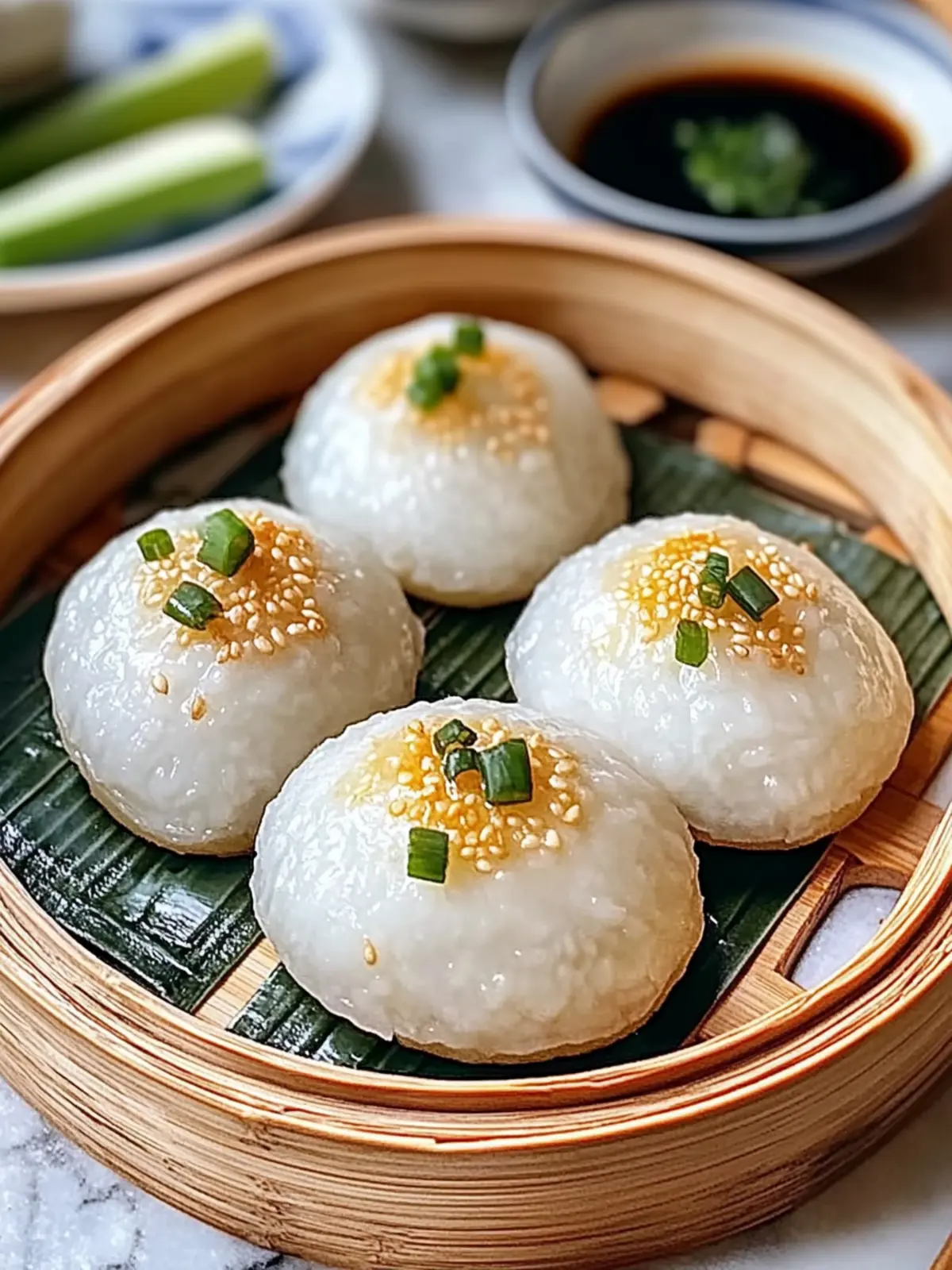
Steam the Rice Cakes: Arrange the filled cakes in a bamboo steamer lined with bamboo leaves. Steam for about 10 minutes or until they are fully cooked through and have a slightly translucent appearance.
Final Touches: Once steamed, brush the rice cakes with vegetable oil and sprinkle toasted sesame seeds on top before serving. This adds flavor and a delightful crunch!
Optional: Serve these rice cakes warm with soy sauce or chili oil for an extra layer of flavor.
Exact quantities are listed in the recipe card below.
Expert Tips for Cantonese Cha Guo
Dough Consistency: Ensure your dough is sticky but manageable. If it s too sticky, gradually add more glutinous rice flour to perfect it.
Filling Cooking Time: Cook the filling thoroughly; the ground pork should look opaque after about 5-7 minutes to ensure it’s safe and flavorful.
Proper Steaming: Arrange the rice cakes without overcrowding in the steamer to allow even cooking, essential for achieving the perfect Cantonese Cha Guo texture.
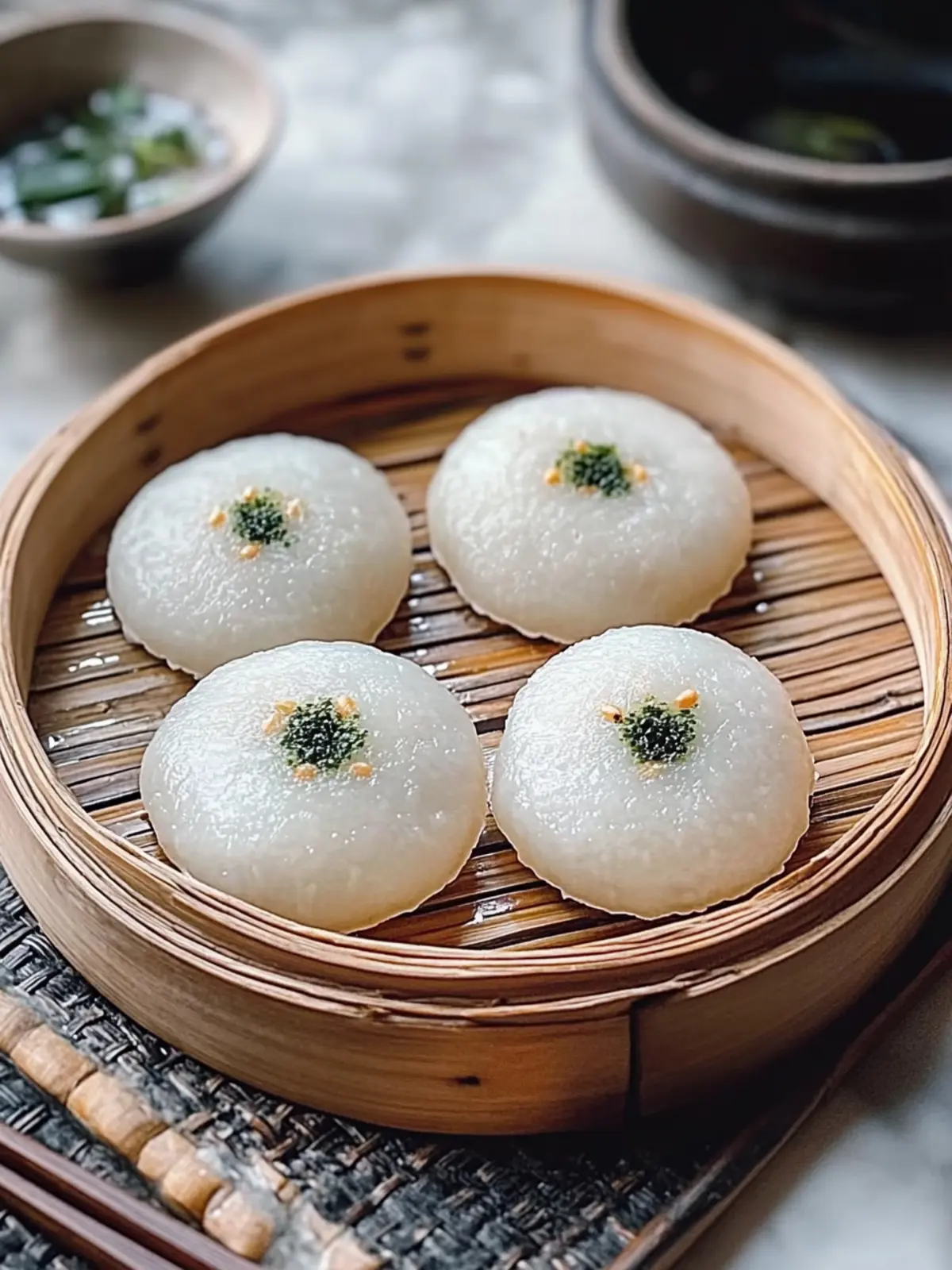
Cakey Texture: For a softer texture, make sure to steam the rice cakes until they become slightly translucent; this indicates they’ve cooked properly.
Flavor Variations: Feel free to experiment with different proteins or additional veggies in your filling, making it customizable while preserving the core flavor profile.
Reheating Tips: Re-steam leftover rice cakes instead of using a microwave this keeps them chewy and restores their delightful texture.
Make Ahead Options
These Cantonese Cha Guo Savory Rice Cakes are perfect for meal prep enthusiasts! You can prepare the filling up to 3 days in advance; simply cook it fully, let it cool, and store it in an airtight container in the refrigerator. The dough can be made 24 hours ahead as well, but it’s best to shape the rice cakes just before steaming to maintain their chewiness. When you’re ready to serve, just steam them for about 10 minutes until cooked through. By prepping the filling and dough ahead of time, you’ll save precious moments on busy weeknights, ensuring that these delightful rice cakes are just as delicious and comforting as if made fresh!
What to Serve with Cantonese Cha Guo Savory Rice Cakes?
To create a harmonious dining experience, consider these delicious pairings that elevate the flavors of the rice cakes.
Soy Sauce Dipping: A classic and simple choice, this savory sauce enhances the umami depth of the rice cakes, making each bite memorable.
Chili Oil: If you crave a bit of spice, drizzle some chili oil on your plates for a delightful kick that contrasts beautifully with the chewy texture.
Stir-Fried Bok Choy: This fresh, vibrant vegetable side offers a crunchy texture that balances out the softness of the rice cakes while adding essential nutrients.
Cucumber Salad: Served chilled, this refreshing salad with a light dressing complements the savory filling, providing a crisp texture and refreshing taste.
Miso Soup: A warm bowl of miso soup can add a comforting touch, making your meal feel complete; its savory broth pairs beautifully with the rice cakes.
Jasmine Rice: For a heartier meal, serve the Cha Guo over fluffy jasmine rice, allowing the flavors to meld together and creating a beautiful base.
Embrace these pairings and create a delightful feast around your Cantonese Cha Guo Savory Rice Cakes!
How to Store and Freeze Cantonese Cha Guo Savory Rice Cakes
Fridge: Store leftover rice cakes in an airtight container for up to 3 days. To keep them soft and chewy, always re-steam before serving.
Freezer: Freeze cooked rice cakes for up to a month. To enjoy later, re-steam them directly from frozen for about 10-15 minutes until heated through.
Reheating: Avoid microwaving; re-steaming ensures the rice cakes maintain their signature chewy texture. This method provides the best flavor and quality when savoring your Cantonese Cha Guo.
Wrapping: If planning to freeze, wrap each rice cake separately in parchment paper before placing them in a freezer-safe bag for added protection against freezer burn.
Cantonese Cha Guo Variations
Feel like switching things up with your Cantonese Cha Guo? Here are some delightful twists to personalize your dish!
Vegetarian: Substitute ground pork with diced tofu or mushrooms for a hearty vegetarian alternative that’s just as flavorful.
Spicy Kick: Add a dash of chili oil or crushed red pepper to the filling for an exciting heat level that compliments the savory flavors beautifully.
Mixed Vegetables: Incorporate finely chopped bell peppers or carrots into the filling for a burst of color and extra nutrition, making each bite a little more vibrant.
Sweet Twist: For a unique flavor profile, mix in some finely diced sweet potatoes or carrots to balance the savory taste with a hint of natural sweetness.
Seafood Delight: Swap the ground pork for shrimp or crab meat for a seafood-inspired version that brings a fresh twist to these traditional rice cakes.
Herb Infusion: Enhance the filling with a sprinkle of fresh herbs like cilantro or basil for a refreshing taste that brightens the dish remarkably.
Savory Mushroom Variations: Experiment with different types of mushrooms, such as oyster or king mushrooms, for a wider range of umami flavors.
Nutty Flavor: Stirring in some finely chopped roasted peanuts or cashews to the filling gives it a delightful crunch and nutty taste that’s truly irresistible.
Embrace the joy of cooking by trying out these variations and making this recipe your own!
Cantonese Cha Guo Savory Rice Cakes Recipe FAQs
How do I select ripe ingredients for the filling?
Absolutely! When choosing your daikon radish, look for firm and heavy ones without dark spots or blemishes. For shiitake mushrooms, select dried versions that are whole with a rich, earthy scent this ensures maximum flavor in your filling. Fresh scallions should be vibrant green with no wilted ends, providing the best flavor and freshness.
How should I store leftover rice cakes?
Very simply! Place any leftover Cantonese Cha Guo in an airtight container in the refrigerator, where they will keep fresh for up to 3 days. When you re ready to enjoy them again, re-steam for about 5 to 7 minutes to restore their delightful chewy texture.
Can I freeze Cantonese Cha Guo?
Of course! You can freeze these savory rice cakes for up to a month. Just wrap each individual cake in parchment paper, then place them in a freezer-safe bag. When you’re ready to enjoy, steam them directly from frozen for about 10-15 minutes until heated through, and they’ll be as good as fresh!
What should I do if my filling is too runny?
If you find your filling is runny, don t worry! Mix a little more cornstarch with a splash of the mushroom soaking liquid to create a slurry. Add this mixture back into your filling over medium heat, stirring continuously until it thickens. This should help bind everything together for that perfect consistency.
Are there any dietary considerations for this recipe?
Absolutely! For those with gluten sensitivities, simply substitute the all-purpose flour with a gluten-free blend when making your dough. Additionally, you can easily swap out the ground pork for ground chicken or firm tofu for a vegetarian option, allowing everyone to enjoy these delectable Cantonese Cha Guo!
How can I ensure the baking process is perfect?
To achieve the ideal chewy texture, it’s essential to steam the rice cakes until they become slightly translucent this indicates that they are thoroughly cooked. Ensure they are arranged properly in the steamer, without overcrowding, which allows for even cooking and prevents any sogginess.